GRACE JOURNAL | グレイスジャーナル
755nmピコ秒レーザー 国際エキスパートミーティング 参加報告
この記事の要点
同じレーザーを使っても、治療結果は同じとは限りません。結果を左右するのは、機器そのものではなく、その肌をどう診て、どのような判断で治療を組み立てるかという医師の診断力です。
先日、私は755nmピコ秒レーザーの国際エキスパートミーティングに、日本から唯一の医師として招待されました。世界を代表するレーザー医たちが、一台の機器について何時間も議論していたテーマは、機器の性能だけではありません。患者さん一人ひとりの肌をどう診て、どのような判断で治療するか。その「診る力」でした。
はじめに
国内外の学会や講演会で、多くの先生方からいただく質問があります。
「どのレーザーを選べばよいのでしょうか。」
美容医療では、機器選びはもちろん重要です。しかし、それ以上に治療結果を左右するのは、その肌をどう診て、どのような根拠をもとに治療を組み立てるかという医師の診断力です。
先日、私は755nmピコ秒レーザーの国際エキスパートミーティングに、日本から唯一の医師として参加しました。そこで交わされていたのは、まさに冒頭の質問への答えでした。
1. 世界の第一人者が議論していたのは「診る力」
レーザーは、誰が使っても同じ結果になる機器ではありません。同じ機器でも、
- どの出力で照射するのか。
- どの順番で治療するのか。
- どこまで反応を引き出すのか。
- どこで止めるのか。
その判断によって、効果も安全性も大きく変わります。今回の会議で議論されていたのも、まさにその「判断」の部分でした。
教科書に書かれている知識ではありません。世界中の第一人者が、それぞれの診療で積み重ねてきた経験を持ち寄り、「なぜ、その判断をしたのか」を議論していく。私は、この時間に最も価値があると感じています。
優れた機器だけでは、優れた結果は生まれません。その機器を、患者さん一人ひとりの肌に合わせてどう使いこなすか。世界の第一人者たちが、その一点について何時間も議論しているという事実こそ、美容医療の本質を物語っています。
今回ご一緒した先生方
今回のエキスパートミーティングには、レーザー皮膚医療を長年牽引してきた世界の専門家が参加していました。議論の内容は公開できませんが、ご一緒した先生方をご紹介します。
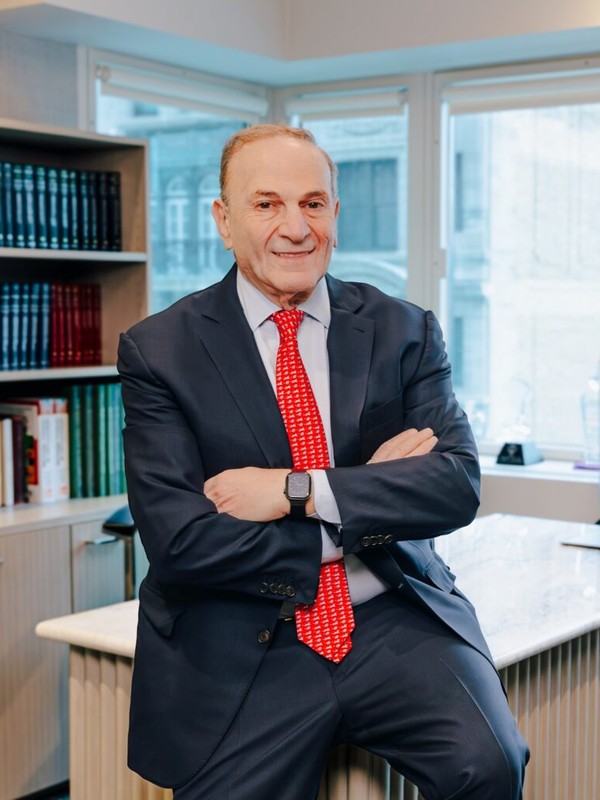
Roy G. Geronemus 医師
Roy G. Geronemus, MD
Laser & Skin Surgery Center of New York(米国・ニューヨーク)
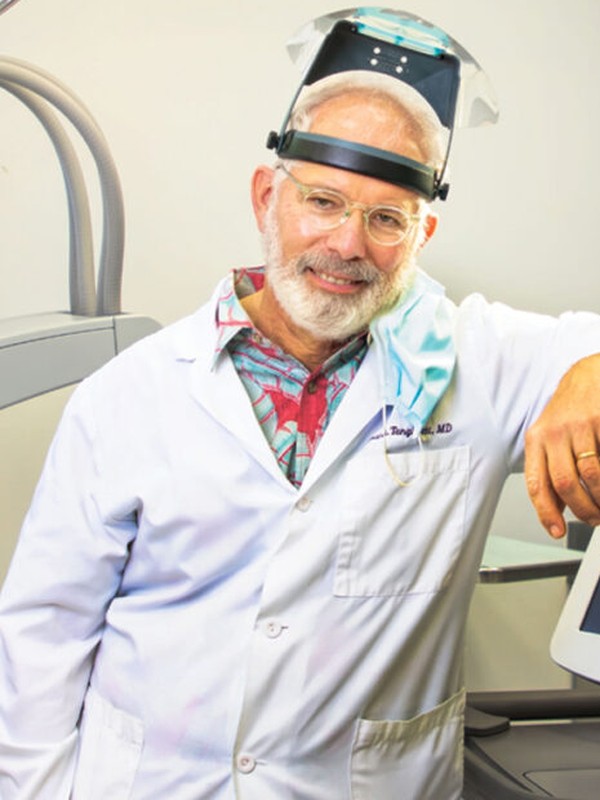
Emil A. Tanghetti 医師
Emil A. Tanghetti, MD
Center for Dermatology and Laser Surgery(米国・サクラメント)
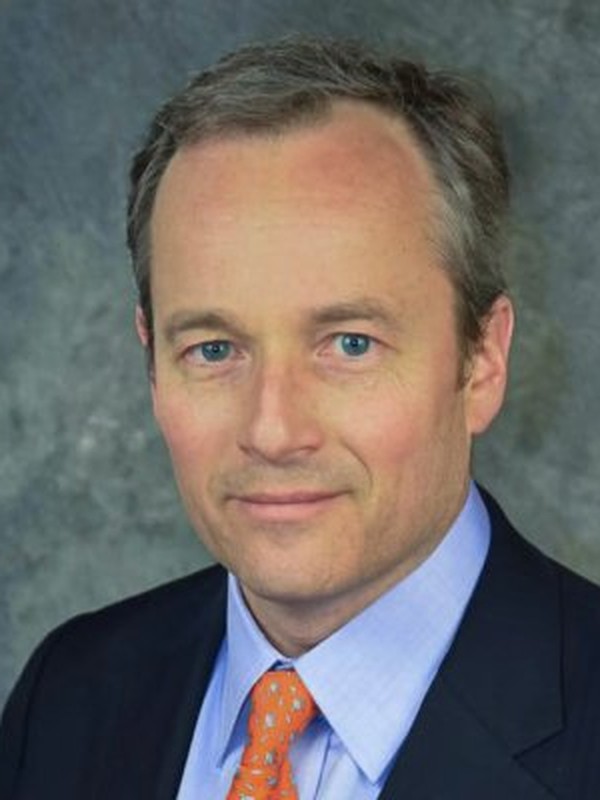
Mathew M. Avram 医師
Mathew M. Avram, MD, JD
Massachusetts General Hospital / Harvard Medical School(米国・ボストン)
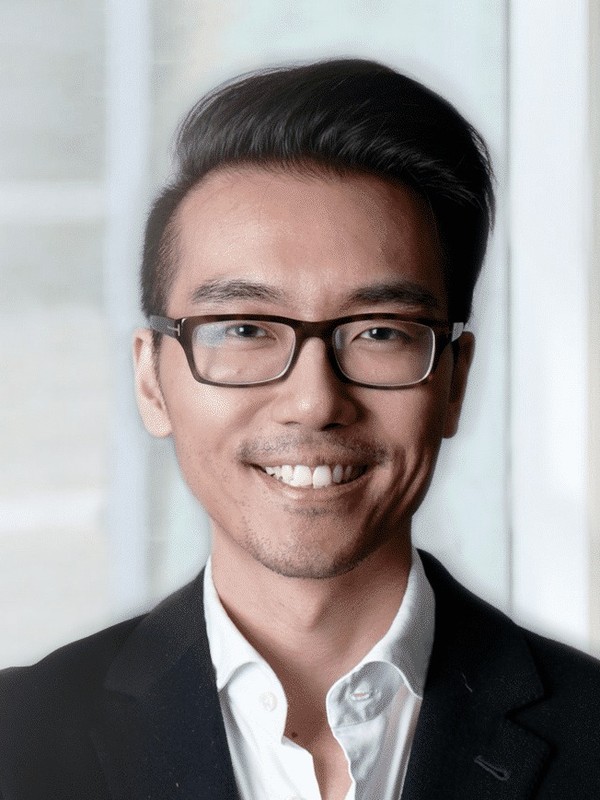
Douglas C. Wu 医師
Douglas C. Wu, MD, PhD
Cosmetic Laser Dermatology(米国・サンディエゴ)
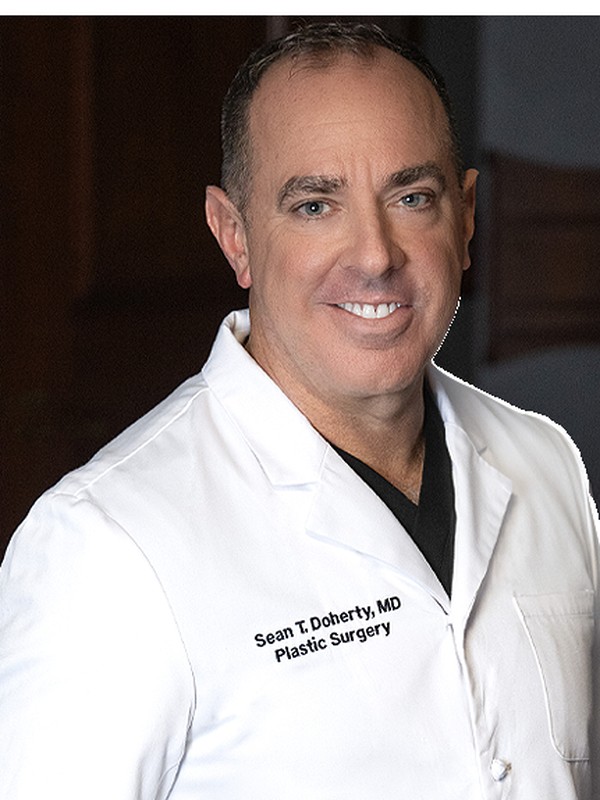
Sean T. Doherty 医師
Sean T. Doherty, MD, FACS
Boston Center for Plastic Surgery(米国・ボストン)
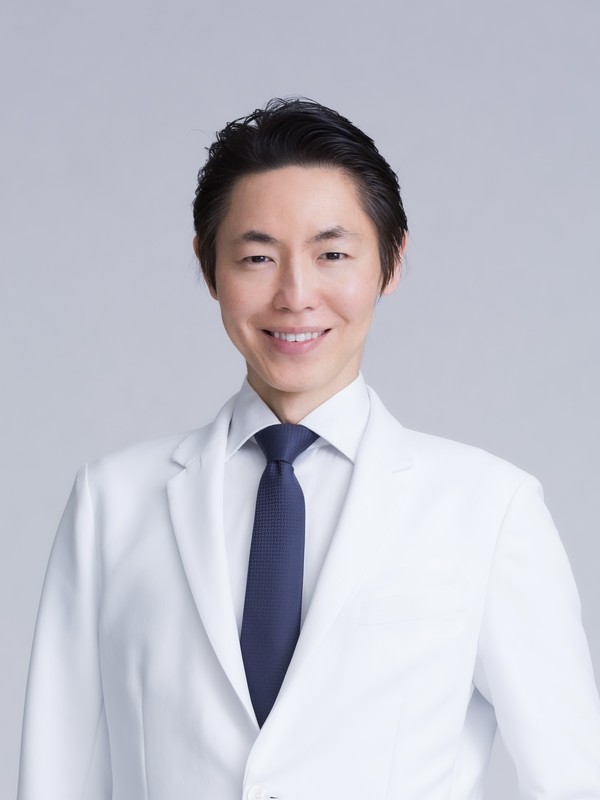
奥 謙太郎
Kentaro Oku, MD
HILLS GRACE CLINIC(日本・横浜)
2. なぜ日本から参加したのか
私はこれまで、755nmピコ秒レーザー「PicoSure Pro」の開発に携わり、国内外で講演や実技指導を行ってきました。しかし、今回評価していただいたのは、それだけではないと思っています。
私が日々向き合っているのは、日本人をはじめとするアジア人の肌です。アジア人の肌は、欧米人の肌とは炎症反応や色素反応が異なります。同じ設定で照射すれば、炎症後色素沈着(PIH)を起こしやすくなることがあります。
私が追求してきたのは、炎症を最小限に抑えながら、確かな結果を積み重ねる治療です。その積み重ねが、世界の議論の中でも一つの視点として評価されたのだと思います。
3. 私がレーザーより先に診ているもの
レーザー治療では、「どれくらい強く照射するか」が注目されがちです。しかし私が最初に診ているのは、肌そのものの状態です。
- 慢性的な炎症は残っていないか。
- メラノサイト(肌の色をつくる色素細胞)は過敏になっていないか。
- 真皮は治療を受け入れられる状態にあるか。
ここを見誤ると、一度色素が薄くなっても、炎症後色素沈着として再び目立ってしまうことがあります。だから私は、色素だけを見るのではなく、肌全体の環境を整えることを重視しています。
この考え方は、2025年にJournal of Cosmetic Dermatologyへ掲載されたCrossTALK® protocol(DOI: 10.1111/jocd.70485)でも中心となるコンセプトの一つです。
真皮環境を整えながら治療する。一見すると遠回りに思えるかもしれません。しかし、アジア人の肌では、この積み重ねが安全で、再現性の高い治療につながると考えています。
4. 世界の議論を、目の前の一人へ
私たち美容医療に携わる医師には、自分自身の経験だけでなく、世界中で積み重ねられた知見を学び、それを患者さんへ還元する責任があります。だから私は、海外で交わされる議論に参加し続けています。
世界で交わされる議論は、いつも「より安全に、より確かな結果を届けるにはどうすればよいか」という一点に集約されます。私もその議論に参加し、新しい知見を持ち帰り、日本人の肌に合わせて診療へ生かす。その積み重ねが、目の前の一人ひとりの治療につながっています。
同じレーザーでも、診る力が結果を決めます。
関連する記事
よくある質問
院長はどんなレーザーを専門にしているのですか?
ピコ秒レーザーをはじめとするエネルギーデバイス(EBD/熱や光などのエネルギーを使う治療機器)を専門にしています。ピコ秒レーザー「PicoSure Pro」の開発に携わり、国内外の医師への指導・講演、国際医学誌への論文発表も続けています。
海外で評価されている治療は、日本人の肌にもそのまま合うのですか?
そのままでは合わないことが多い、というのが私の実感です。欧米のデータをアジア人の肌に合わせて読み替える作業が必要で、その読み替えこそ私が最も力を入れている部分です。海外の議論を持ち帰りつつ、日本人の肌に合わせて設定を組み替えてご提案しています。
レーザー治療のクリニックは、何を基準に選べばよいですか?
機器の名前だけで選ばないことをおすすめします。同じ機器でも、当てる医師の判断で結果は変わります。その医師がどれだけ使い込み、どんな考えで強さや止めどきを決めているかを見ていただくと、選び方は変わります。
ピコ秒レーザーはシミに必ず効きますか?
効果の感じ方には個人差があります。シミやくすみの種類・肌の状態によって、適する治療も回数も変わります。かえって色素が濃くなる炎症後色素沈着(PIH)を避けるためにも、まずは肌の状態を診たうえで、適した進め方をご相談しています。
治療をご検討の方へ
- 効果の程度や持続期間には個人差があります。すべての方に同じ結果が得られることを保証するものではありません。
- ピコ秒レーザーによる色素治療では、治療後に一時的な赤み・かさぶた・色素の一時的な濃さ・炎症後色素沈着(PIH)などが生じることがあります。程度や続く期間には個人差があります。
- 肌の状態や体質、日焼けの有無などによっては、治療を受けられない場合や、時期を調整する場合があります。診察時に必ずご相談ください。
- 本記事で紹介した治療は自由診療(健康保険が適用されない治療)です。費用はカウンセリング時にご案内しています。
- 本記事は、医療者向けの非公開の専門家会議に参加した報告です。討議の具体的な内容は非公開のため記載していません。特定の機器の効果を保証したり、機器間の優劣を示したりするものではありません。記事中の機器名は各社の商標または登録商標です。
- 掲載している参加医師の氏名・所属・写真は、各医師の公開情報にもとづいて紹介しています。
シミ・肝斑・毛穴など、肌に現れた悩みに向き合うとき、私が大切にしているのは、症状だけでなく、その症状が生じた肌の状態まで見極めることです。
レーザー・高周波・超音波などの機器は、同じ設定で照射しても、結果は一人ひとり異なります。その差を生むのは、肌が熱を受け止め、治療に応えられる状態にあるかどうか。だからこそ、必要に応じて肌が応えられる状態を整えながら、適切な治療を、適切な順序でご提案します。
この考えを治療設計の起点に据え、「Thermal Thread Technique®」として体系化し、2024年に『Lasers in Surgery and Medicine』誌へ発表しました。同論文は同誌のTop Viewed・Top Cited Articleに選出されています。高周波照射法「Mono-Bi CrossLIFT Technique」および、注入治療と医療機器を組み合わせる「CrossTALK® protocol」も『Journal of Cosmetic Dermatology』誌に発表しています。
米国レーザー医学会(ASLMS)専門医、医療法人社団光悠会理事長。Cynosure社のアドバイザリーボードには日本から唯一参加し、PicoSure Proの開発段階から携わり、第1号機による症例報告も行ってきました。世界最大のレーザー医学会ASLMSやIMCAS ASIA、KOREA DERMAなどの国際学会で招待講演を行い、国際的な医師教育プログラム「GMI」を主宰。海外の医師の指導・育成にも取り組んでいます。
これまでの治療で思うような手応えを得られなかった方にも、なぜその肌にその症状が起きているのかを見極め、必要な治療の順序からご提案します。肌を診て、治療を設計し、経過に合わせて組み立てを更新する。そこまでを含めて、肌治療だと考えています。詳しいプロフィール →
CLINIC INFORMATION
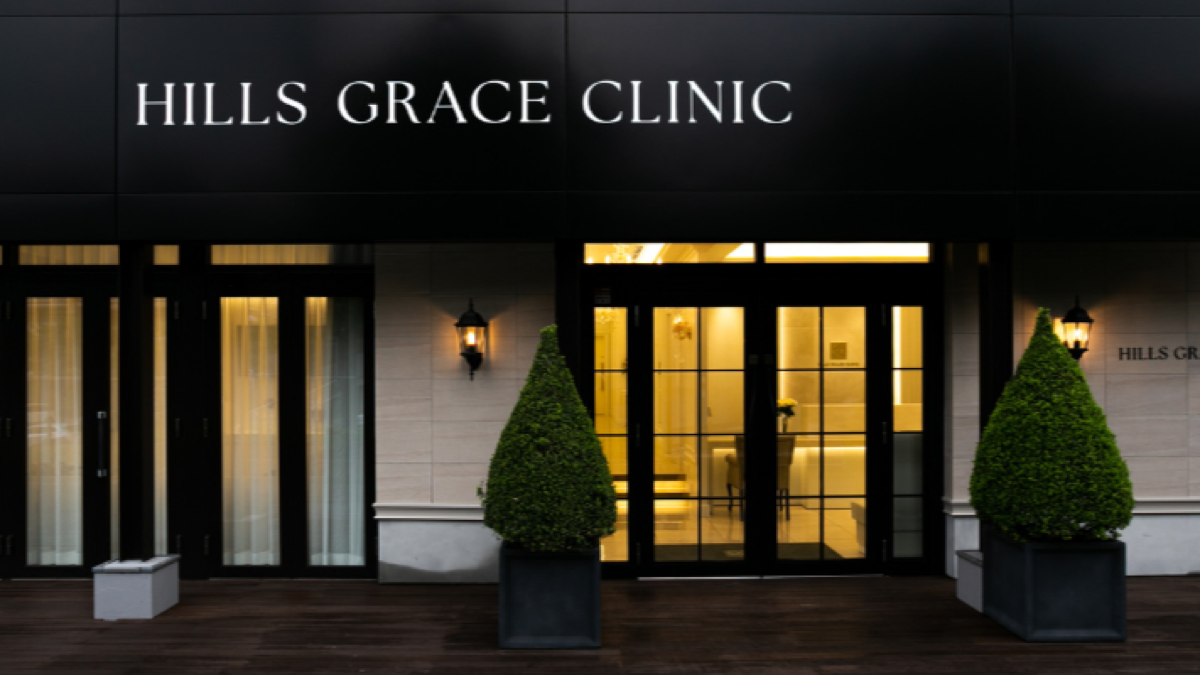
ヒルズグレイスクリニック
アクセスの詳細を見る →
肌を整える時間を、診察の外にも。

GRACE JOURNAL | Grace Journal
755 nm picosecond laser: report from an international expert meeting
Key points
Using the same laser does not always produce the same results. What determines the outcome is not the device itself, but the physician’s diagnostic skill: how they assess that skin and the judgement with which they build the treatment.
Recently, I was invited to an international expert meeting on 755 nm picosecond lasers as the only physician from Japan. The theme that leading laser physicians from around the world discussed for hours about a single device was not only its performance. It was how to assess each patient’s skin, and the judgement with which to treat it: that “ability to assess”.
Introduction
At society meetings and lectures in Japan and abroad, there is one question many doctors ask me.
“Which laser should I choose?”
In aesthetic medicine, choosing the device is of course important. But what determines treatment results even more is the physician’s diagnostic skill: how they assess that skin and on what basis they build the treatment.
Recently, I took part in an international expert meeting on 755 nm picosecond lasers as the only physician from Japan. What was being discussed there was precisely the answer to the question I opened with.
1. What the world’s leading experts were discussing was the “ability to assess”
A laser is not a device that gives the same result no matter who uses it. Even with the same device,
- At what power to treat.
- In what order to treat.
- How far to draw out a response.
- Where to stop.
Depending on those decisions, both efficacy and safety change considerably. What was being discussed at this meeting was exactly that part: the “judgement”.
This is not textbook knowledge. The world’s leading experts bring together the experience they have each built up in their own practice and discuss “why that decision was made”. I feel this time is the most valuable of all.
An excellent device alone does not produce excellent results. What matters is how to use that device to suit each patient’s skin. The very fact that the world’s leading experts spend hours discussing that single point speaks to the essence of aesthetic medicine.
The doctors I joined at this meeting
This expert meeting brought together specialists from around the world who have led laser dermatology for many years. The content of the discussions cannot be made public, but I would like to introduce the doctors I joined.
Dr. Roy G. Geronemus
Roy G. Geronemus, MD
Laser & Skin Surgery Center of New York (New York, USA)
Dr. Emil A. Tanghetti
Emil A. Tanghetti, MD
Center for Dermatology and Laser Surgery (Sacramento, USA)
Dr. Mathew M. Avram
Mathew M. Avram, MD, JD
Massachusetts General Hospital / Harvard Medical School (Boston, USA)
Dr. Douglas C. Wu
Douglas C. Wu, MD, PhD
Cosmetic Laser Dermatology (San Diego, USA)
Dr. Sean T. Doherty
Sean T. Doherty, MD, FACS
Boston Center for Plastic Surgery (Boston, USA)
Kentaro Oku
Kentaro Oku, MD
HILLS GRACE CLINIC (Yokohama, Japan)
2. Why I took part from Japan
I have been involved in the development of the 755 nm picosecond laser “PicoSure Pro” and have given lectures and hands-on training in Japan and abroad. But I do not think that alone is what was recognised this time.
What I work with every day is the skin of Japanese and other Asian patients. Asian skin differs from the skin of Western patients in its inflammatory and pigmentary responses. Treating with the same settings may make post-inflammatory hyperpigmentation (PIH) more likely.
What I have pursued is treatment that builds up reliable results while keeping inflammation to a minimum. I believe that accumulated work was valued as one perspective within the global discussion.
3. What I assess before the laser
In laser treatment, attention tends to focus on “how strongly to treat”. But what I assess first is the condition of the skin itself.
- Is any chronic inflammation still present?
- Are the melanocytes (the pigment cells that produce skin colour) hypersensitive?
- Is the dermis in a state to accept treatment?
If these are misjudged, even once the pigment has faded it can become noticeable again as post-inflammatory hyperpigmentation. That is why I do not look only at the pigment; I place importance on preparing the environment of the skin as a whole.
This way of thinking is also one of the central concepts of the CrossTALK® protocol, published in Journal of Cosmetic Dermatology in 2025 (DOI: 10.1111/jocd.70485).
Treating while preparing the dermal environment may at first seem like a detour. But for Asian skin, I believe this accumulated work leads to treatment that is safe and highly reproducible.
4. From global discussion to the one patient in front of me
As physicians working in aesthetic medicine, we have a responsibility to learn not only from our own experience but from the knowledge accumulated around the world, and to pass it on to our patients. That is why I continue to take part in discussions held abroad.
The discussions held around the world always come down to one point: “how can we deliver results more safely and more reliably?” I take part in those discussions too, bring new knowledge home, and apply it in practice to suit Japanese skin. That accumulated work leads to the treatment of each person in front of me.
Even with the same laser, the ability to assess determines the result.
Related articles
- CrossTALK® protocol: why delicate skin needs “building the foundation of the skin” most of all (IMCAS ASIA 2026 invited lecture)
- Why do results differ even with the same treatment? Skin Priming: the concept of building the foundation of the skin
- Which monopolar RF is “the best fit”? Report from the XERF International Roundtable
Frequently asked questions
What kind of lasers does the Director specialise in?
I specialise in energy-based devices (EBD: treatment devices that use energy such as heat or light), including picosecond lasers. I was involved in the development of the picosecond laser “PicoSure Pro”, and I continue to train and lecture to doctors in Japan and abroad and to publish papers in international medical journals.
Do treatments that are well regarded overseas suit Japanese skin as they are?
My experience is that, as they are, they often do not. Western data need to be reinterpreted for Asian skin, and that reinterpretation is the part I put the most effort into. While bringing home the discussions held abroad, I rework the settings to suit Japanese skin when proposing treatment.
What criteria should I use to choose a clinic for laser treatment?
I recommend not choosing on the device name alone. Even with the same device, results change with the judgement of the doctor using it. If you look at how much experience that doctor has with the device and what thinking they use to decide the strength and when to stop, the way you choose will change.
Will a picosecond laser always work on dark spots?
How the effect is felt varies between individuals. The suitable treatment and the number of sessions vary with the type of pigmentation or dullness and the condition of the skin. To avoid post-inflammatory hyperpigmentation (PIH), in which the pigment instead becomes darker, we first examine the condition of your skin and then discuss a suitable approach with you.
For those considering treatment
- The degree and duration of effects vary between individuals. The same results are not guaranteed for everyone.
- Pigment treatment with a picosecond laser may cause temporary redness, scabbing, temporary darkening of pigment, post-inflammatory hyperpigmentation (PIH) and other effects after treatment. The degree and duration vary between individuals.
- Depending on your skin condition, constitution, recent sun exposure and other factors, you may not be able to receive treatment, or the timing may need to be adjusted. Please be sure to discuss this at your examination.
- The treatments introduced in this article are private, self-funded care (not covered by health insurance). Fees are explained at the consultation.
- This article is a report on attending a closed expert meeting for medical professionals. Specific details of the discussions are confidential and are therefore not described. This article does not guarantee the efficacy of any particular device or indicate the superiority of one device over another. Device names in this article are trademarks or registered trademarks of their respective companies.
- The names, affiliations and photographs of the participating physicians are presented based on information each physician has made public.
When addressing concerns that appear on the skin, such as pigmentation, melasma and pores, what I value is identifying not only the symptoms but also the condition of the skin in which those symptoms arose.
With devices such as lasers, radiofrequency and ultrasound, results differ from person to person even when the same settings are used. What creates that difference is whether the skin is in a state to receive the heat and respond to treatment. That is why, where necessary, I prepare the skin so that it can respond, and propose the appropriate treatments in the appropriate order.
I made this idea the starting point of treatment design, systematised it as the “Thermal Thread Technique®”, and published it in 2024 in “Lasers in Surgery and Medicine”. The paper has been selected as one of the journal’s Top Viewed and Top Cited Articles. I have also published the radiofrequency technique “Mono-Bi CrossLIFT Technique” and the “CrossTALK® protocol”, which combines injectable treatments with medical devices, in “Journal of Cosmetic Dermatology”.
Specialist of the American Society for Laser Medicine and Surgery (ASLMS) and Chair of the Board of Koyukai Medical Corporation. I am the only member from Japan on Cynosure’s advisory board, have been involved with PicoSure Pro since its development stage, and have also reported cases treated with the very first unit. I have given invited lectures at international congresses including ASLMS, the world’s largest laser medicine society, IMCAS ASIA and KOREA DERMA, and I lead the international physician education programme “GMI”, through which I also work on training and mentoring doctors overseas.
Even for those who have not felt the response they hoped for from previous treatments, I identify why those symptoms are occurring in that skin and propose treatment starting from the order in which it is needed. Assessing the skin, designing the treatment and updating the plan as it progresses: I consider all of this to be part of skin treatment. Full profile →
CLINIC INFORMATION
Hills Grace Clinic
Access details →
Caring for your skin beyond the consultation room
HOME CARE
Online shop
Doctor-selected skincare and supplements, delivered to your home. For some products, a free online consultation is available before purchase.
CONSULTATION
Consult us at the clinic
Every person's skin is different. We look into what lies behind pigmentation and melasma, and suggest the care and the order of treatment your skin needs now.