GRACE JOURNAL | グレイスジャーナル
Jeisys「TEA Bangkok 2026」登壇報告
この記事の要点(先に結論)
「同じ機器なら、誰が使っても同じ」ということは、起こりません。
高周波・超音波・レーザーといったエネルギーデバイス(熱などのエネルギーを使う医療機器)が「熱を与える機器」であることは確かです。けれど、結果と副反応を分けるのは機器の名前ではなく、①何のための熱か ②どこに届く熱か ③誰が扱う熱かという3つです。熱は、与え方しだいで組織を目覚めさせもすれば、壊しもします。そしてこの二つを分けているのは、別種の現象ではなく“程度の差”にすぎません。2026年6月、バンコクで開かれた国際カンファレンスで「It’s All About Heat(すべては熱の話である)」と題してお話しした内容をご報告します。
はじめに
「同じ機器なら、誰が使っても同じでしょう?」
この質問は、患者さんからだけでなく、医師からも、機器メーカーの方からもいただきます。それだけ自然な感覚なのだと思います。
けれど私の答えは、いつも同じです。まったく違います、と。
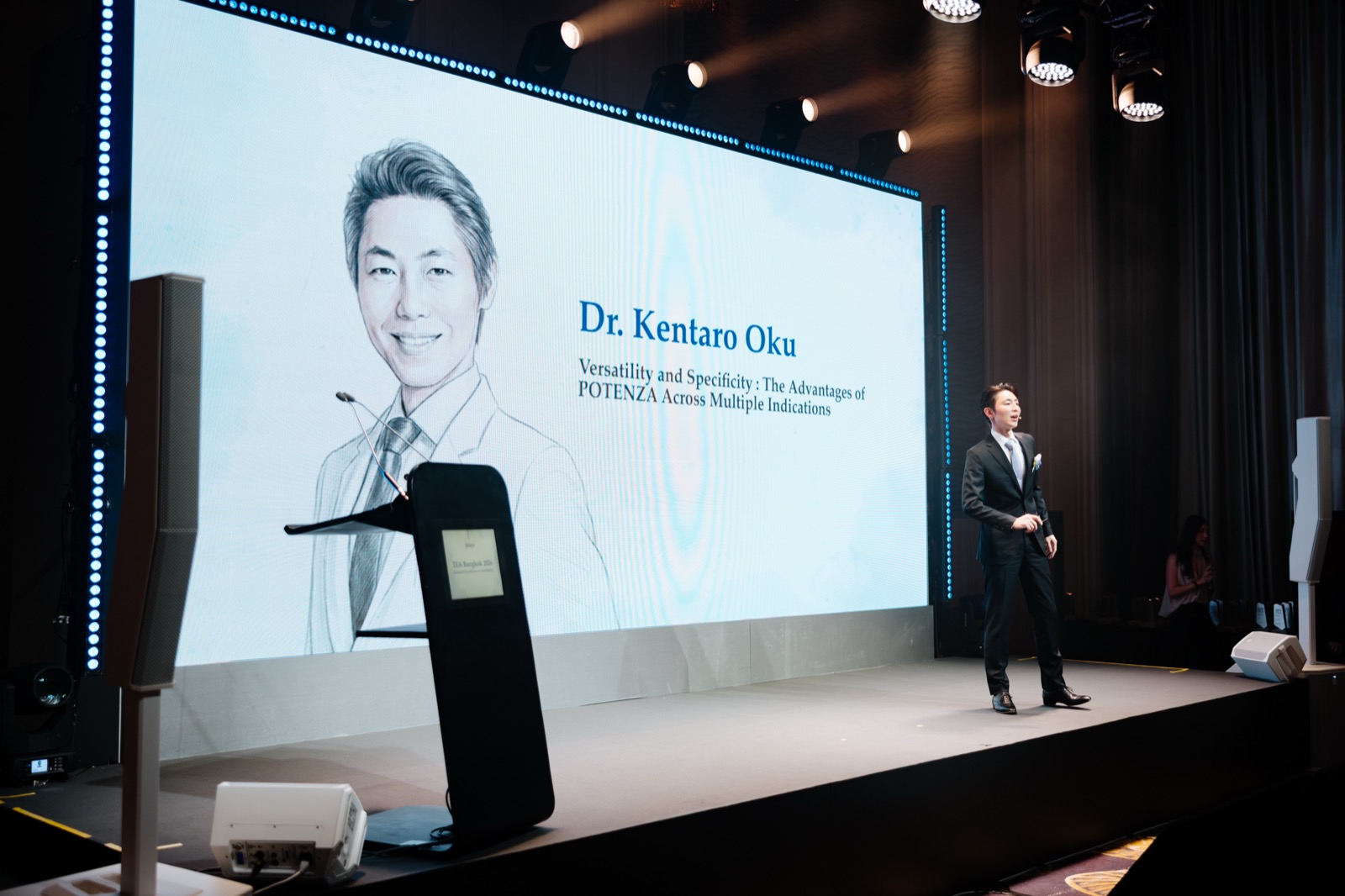
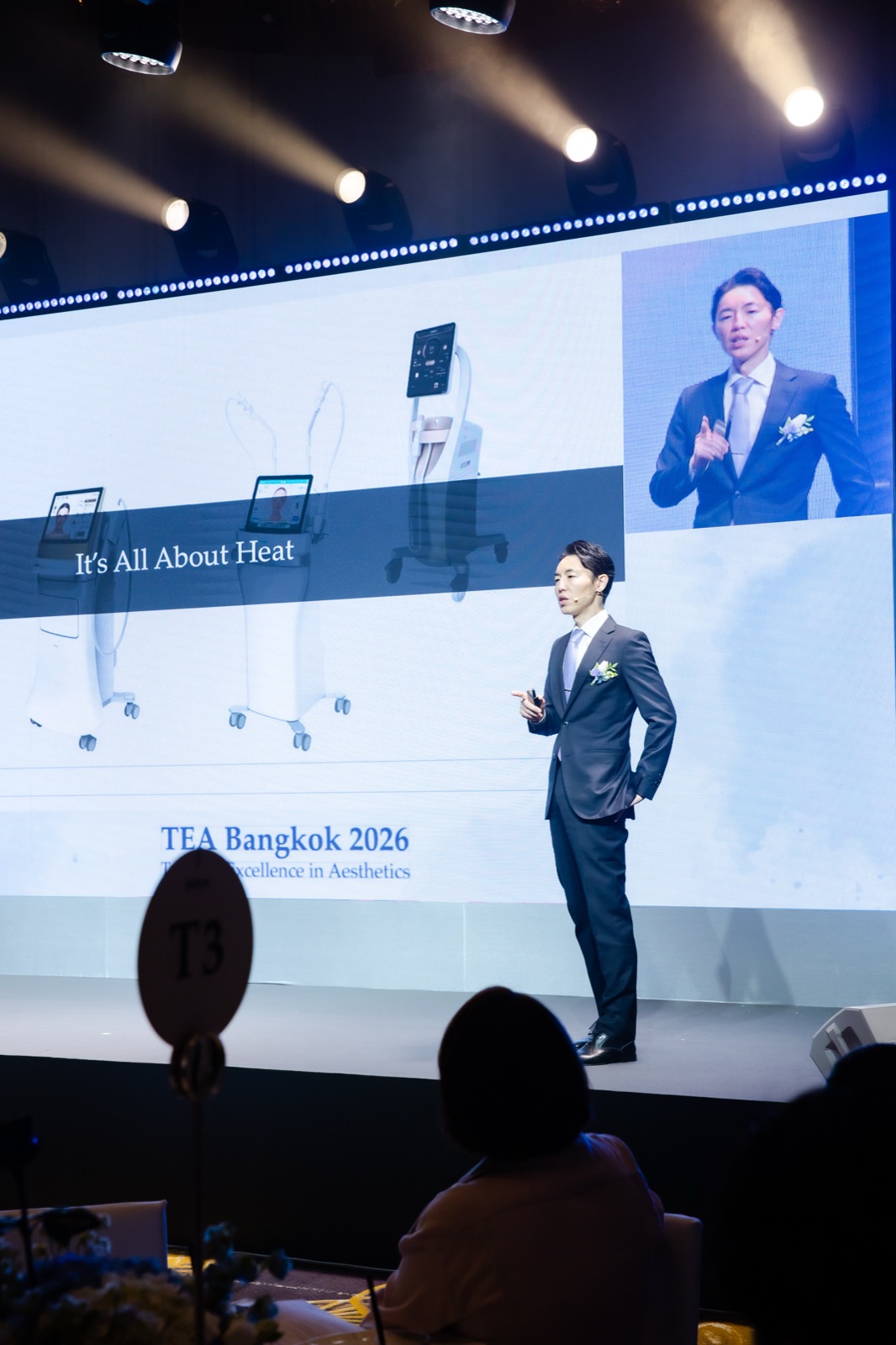
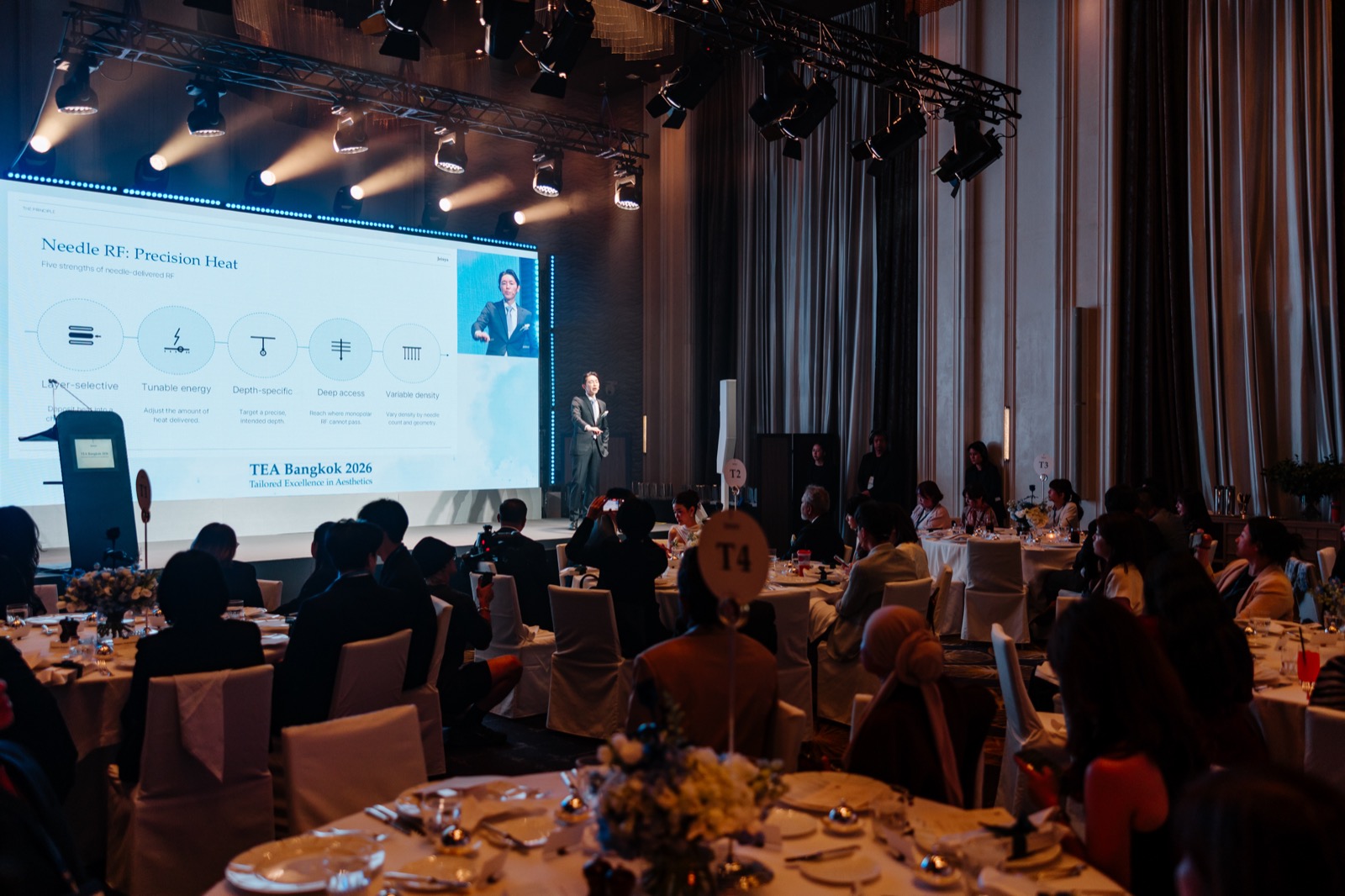
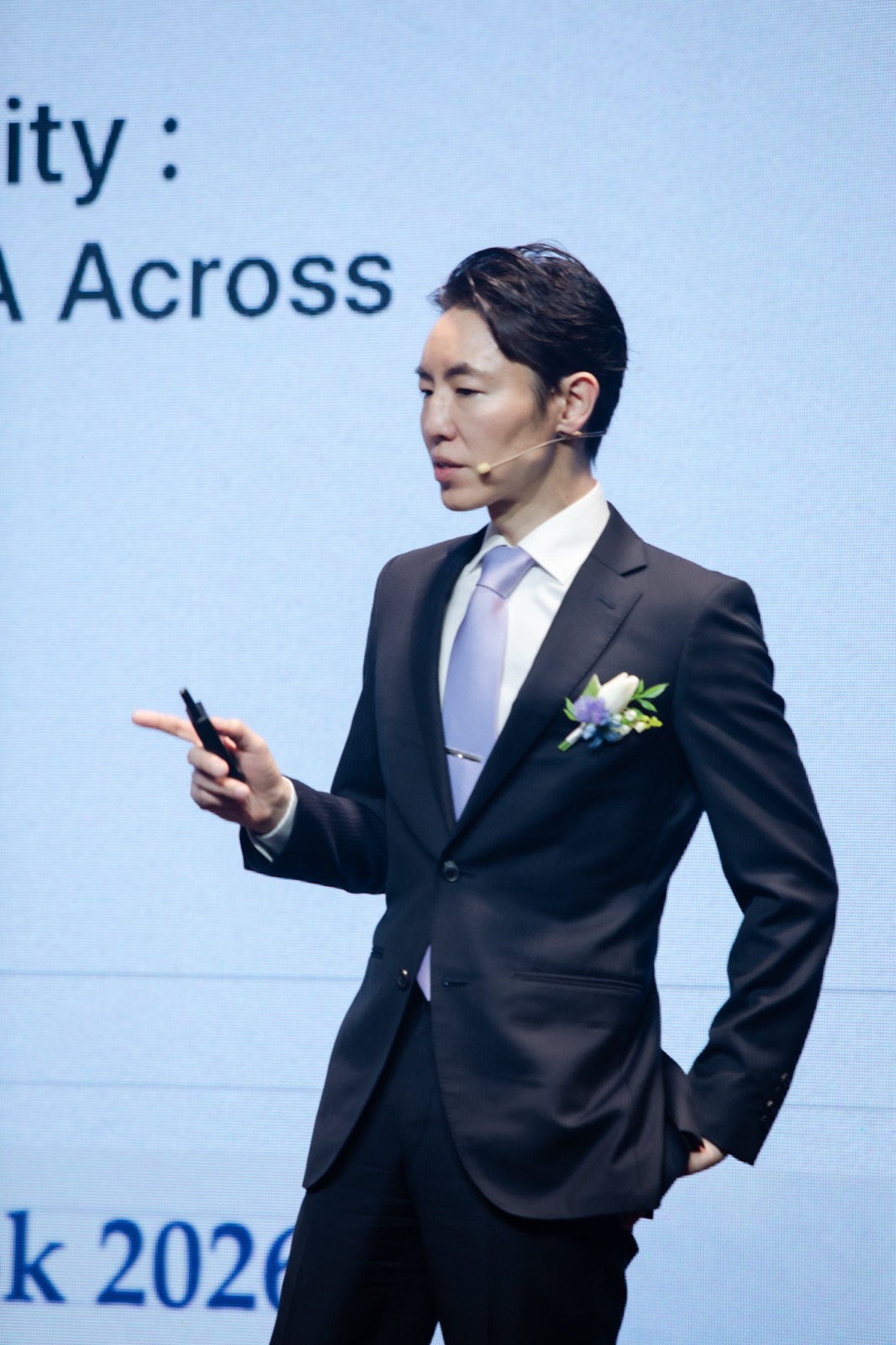
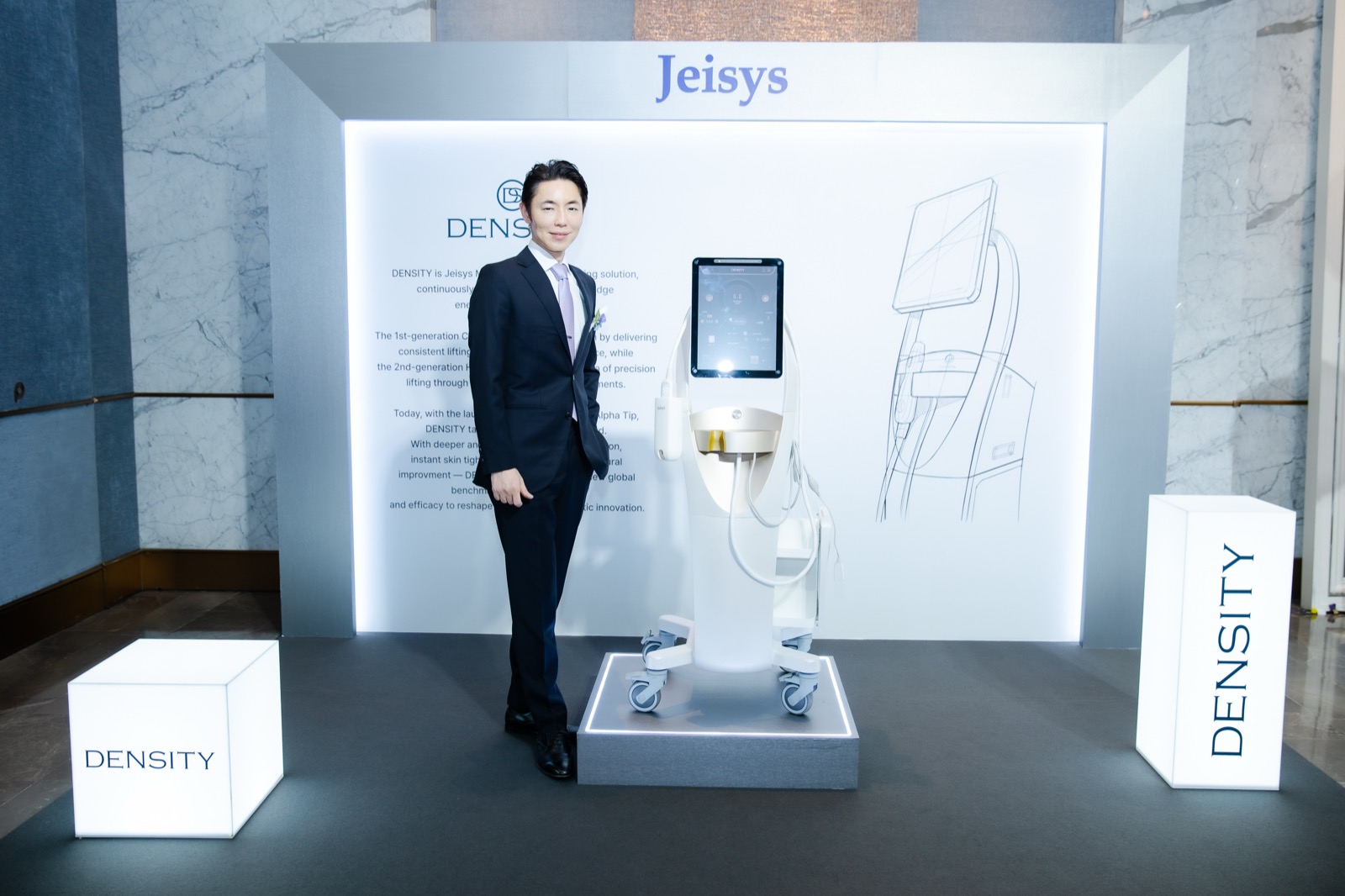
2026年6月、タイ・バンコク。Jeisys主催の国際カンファレンス「TEA Bangkok 2026(Tailored Excellence in Aesthetics)」に登壇し、「It’s All About Heat」——すべては熱の話である、と題してお話ししてきました。エネルギーデバイスを日常的に扱う医師が、各国から集まる場です。
その夜にお伝えしたのは、突き詰めればひとつのことでした。熱は、与えれば効くというものではない。
1. 「同じ機器なら同じ結果」が成り立たない理由
冒頭の質問を、少し言い換えてみます。
「包丁は切るためのものですよね。同じ包丁なら、誰が使っても同じでしょう?」
——こう置き換えると、「同じになりようがない」と感じていただけるのではないでしょうか。
何のために切るのか。煮るためか、焼くためか。何を切るのか。肉か、魚か、野菜か。同じ一本の刃物でも、目的と対象が変われば、仕事の中身はまったく別物になります。
美容医療も、これと同じです。
高周波、超音波、レーザー。これらが「熱を与える機器」であることは間違いありません。ただ、そこから先が分かれます。結果と副反応を決めているのは、次の3つです。
- 何のための熱か(目的)
- どこに届く熱か(層と細胞)
- 誰が扱う熱か(術者)
順に、お話しします。
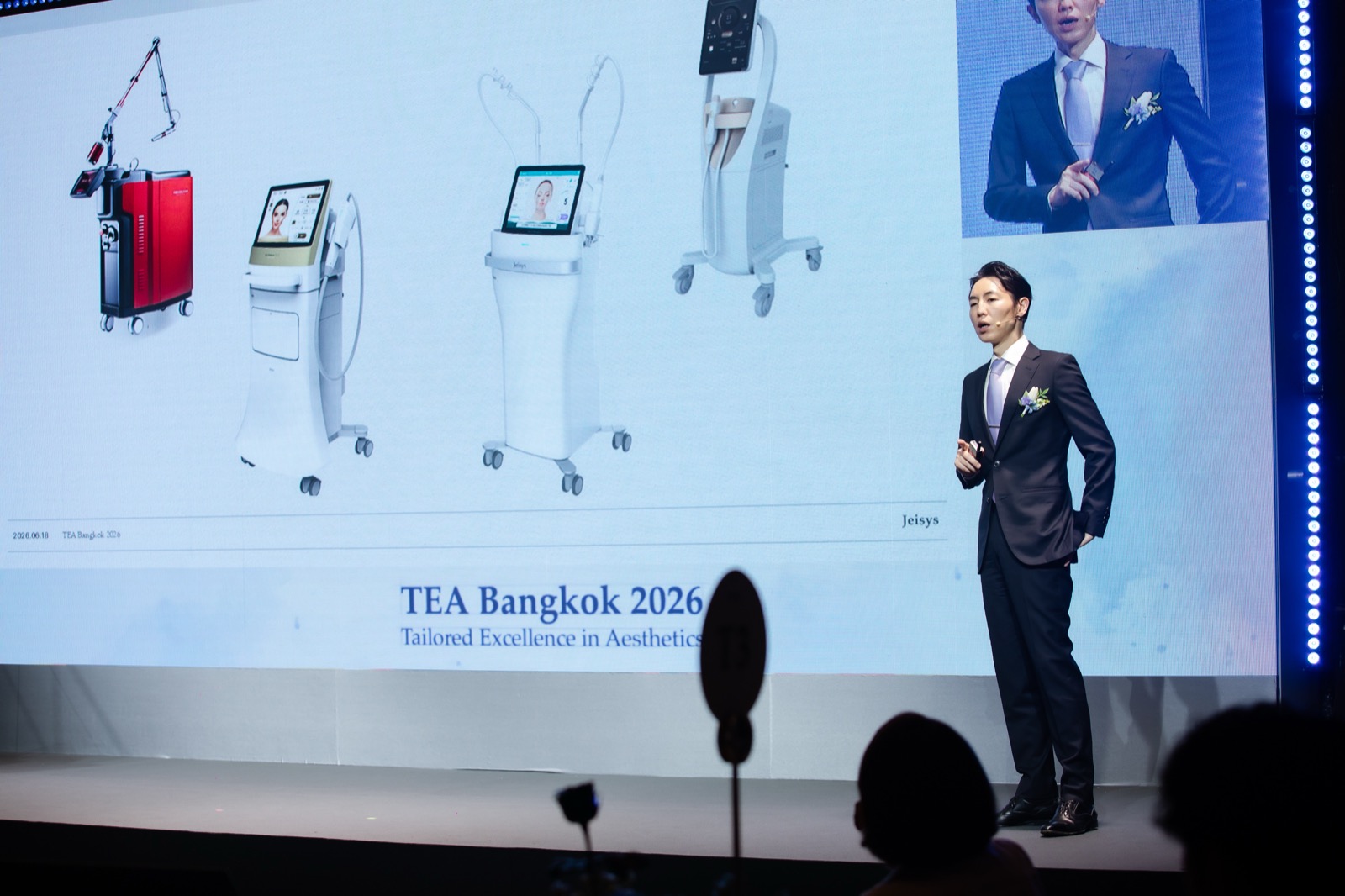
2. 何のための熱か
熱は、組織を「目覚めさせる」こともできますし、「壊す」こともできます。
ここで大切なのは、この二つがまったく別の現象ではないということです。両者を分けているのは、程度の差にすぎません。
ステーキを思い浮かべてください。ちょうどよい時間で火から下ろせば、ちょうどよい焼き加減になります。少し目を離せば、焦げてしまいます。加えている熱の種類が変わったわけではありません。変わったのは、程度だけです。
もちろん、医療機器が扱う熱はステーキほど単純ではなく、さまざまな条件が絡み合います。それでもこの一点に限れば、肌の中でも同じことが起きています。
目的が曖昧なまま熱を入れると、何が起きるか
高周波でも、超音波でも、レーザーでも、「何のために使うのか」が曖昧なまま照射されたとき、その不利益は小さくありません。
色素沈着。陥没。熱傷。避けるべき副反応が、意図しないところで生まれてしまいます。
コラーゲンを縮めるための熱。細胞を刺激するための熱。メラニン(肌の色をつくる色素)だけを壊すための熱。この3つは、与え方がはっきりと違います。目的が決まって、はじめて与え方が決まる。この順番は、逆にはできません。
3. どこに届く熱か
「どこに」と言うとき、私が指しているのは「頬」や「首」といった部位のことではありません。
皮膚の表面から、深部の骨の上まで。その断面の、どの層の、どの細胞に届けるのか。そういう意味の「どこに」です。
肌の中では、細胞がそれぞれの持ち場にいます。
色をつくるメラノサイト(melanocyte/色素細胞)は、表皮の基底層という深い位置。コラーゲンやエラスチン、ヒアルロン酸をつくる線維芽細胞(fibroblast/真皮の司令塔にあたる細胞)は、その多くが真皮の浅い層=乳頭層に位置しています。狙いたい相手によって、届けるべき深さが違うのです。
「そこに入れるつもりではなかった」が起きるとき
自分の使っている熱が、どの層の、どの細胞に吸収されやすいのか。それを把握していないと、「ここに届けるつもりではなかった」という結果が生まれます。
ここに入れたい、と思うだけでは届きません。その層・その細胞に吸収されやすい性質の熱を選んで、はじめて“選択的に”届けることができます。
同じレーザー、同じ高周波を使っていても結果が大きく分かれるのは、この「どこに」が定まっているかどうかによるところが大きいのです。
4. 誰が扱う熱か
もう一度、料理の話に戻ります。
寿司職人、イタリアンのシェフ、中華の料理人。同じ「料理人」でも、仕上がるものはまるで違います。さらに言えば、同じ系統の料理人であっても、師匠と弟子では差があります。
医師も同じです。どの領域を専門としてきたかによって、同じ肌を見ていても、目に入るものが変わります。
ミクロで捉える視点と、マクロで捉える視点。どちらが優れているという話ではなく、両方が要ります。片方だけでは行き詰まる場面が出てきますが、両方を持てるようになると、結果は変わってきます。
理想を言えば、誰がどのように使っても同じ結果が出せるようになるのが一番です。ただ、現実にそれを実現するのは簡単ではありません。私たちがトレーナーとして指導を続けているのは、そのためです。多くの方が良質な美容医療を受けられるよう、業界全体の水準を引き上げる一助になれればと考えています。
5. バンコクの夜に
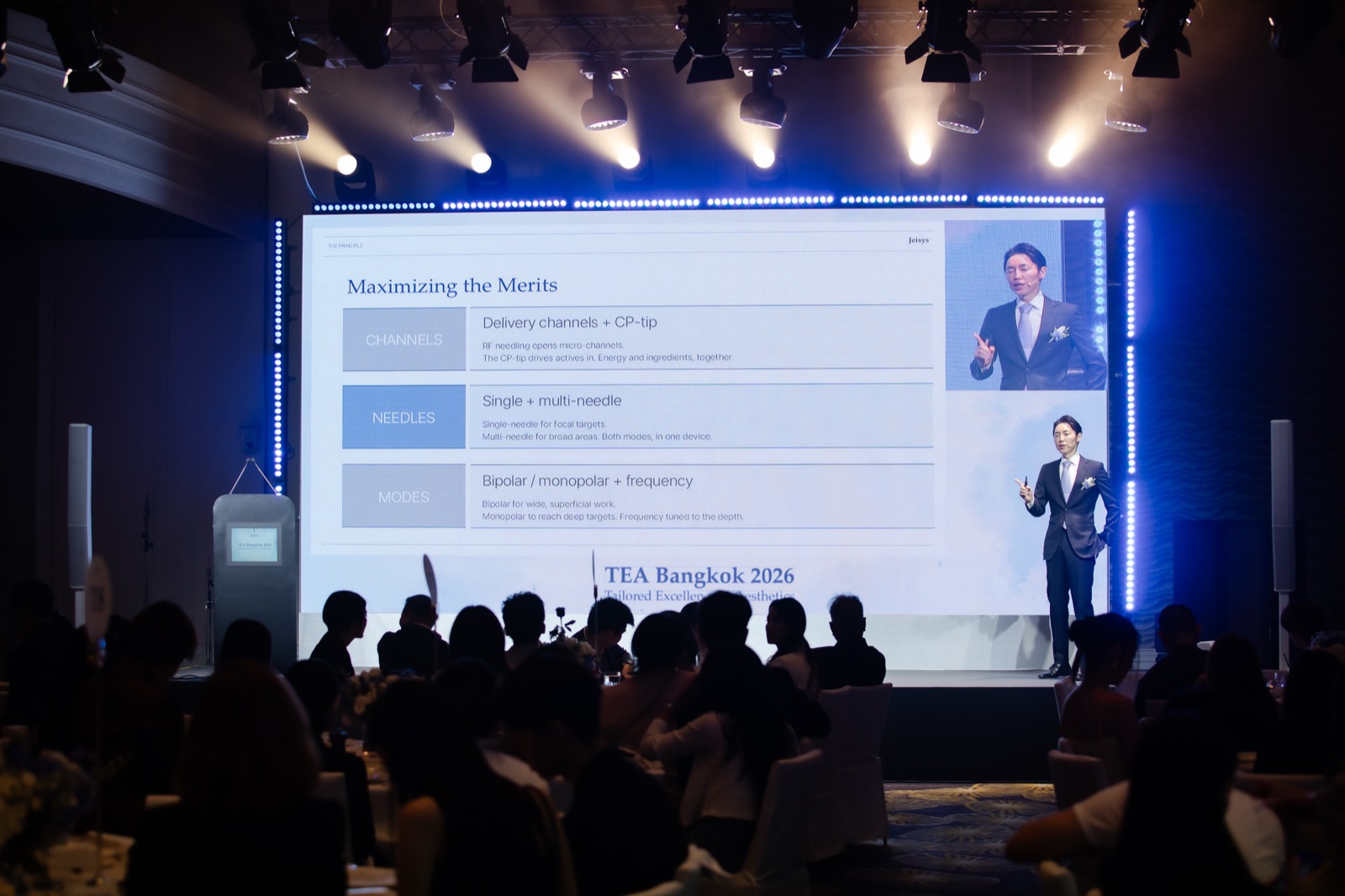
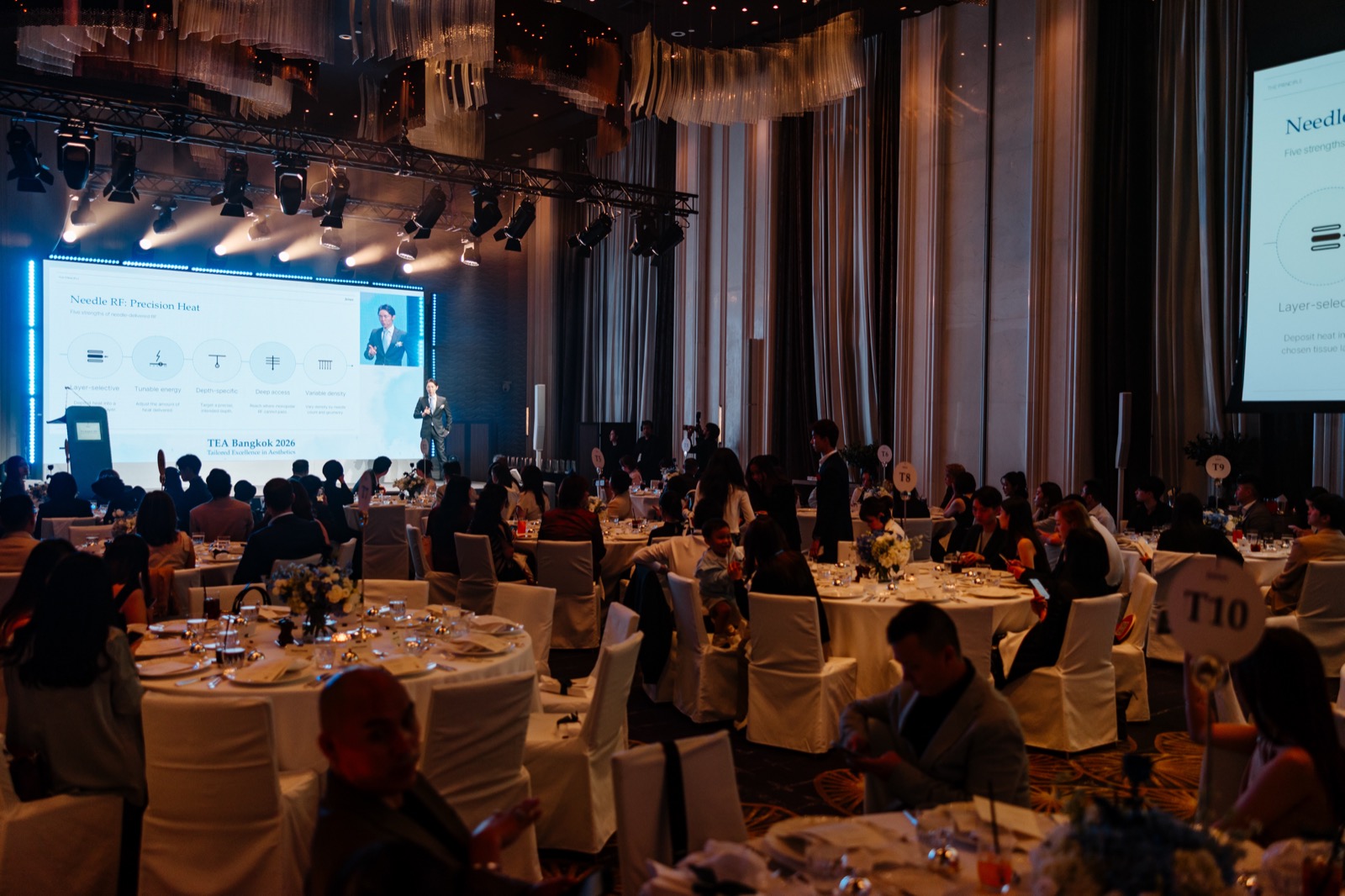
この日の会場は、各国から集まった医師が、ひとつの場所で顔を合わせる機会でもありました。
壇上で話す時間よりも、むしろそのあとの時間に得るものが多い。同じテーブルで、それぞれの国の患者さん、それぞれの臨床、それぞれの考え方を持ち寄る。話は尽きませんでした。
世界の第一線に立つ医師たちと同じ時間を過ごせることに、心から感謝しています。

おわりに
エネルギーデバイスによる治療をご検討中の方に、ひとつだけお伝えするとすれば——
カウンセリングで、「この治療は、どの深さの、何に働きかけるものですか」と尋ねてみてください。
目的を言葉で説明できる治療であれば、狙いも、副反応への備えも、すでに定まっているはずです。
同じ機器でも、目的が変わり、届く層が変わり、扱う人が変われば、結果は別物になります。
私たちが調整しているのは、出力ではありません。熱を、どの深さの、どの細胞に、どれだけの時間で届けるか。エネルギーデバイスによる治療とは、その一点に尽きます。
関連する記事
よくある質問
同じ機種のマシンなら、どのクリニックで受けても結果は同じですか?
同じにはなりません。機器は熱を届けるための手段であり、その熱をどんな目的で、どの層のどの細胞に届けるかによって、起こる反応が変わります。設定と狙う深さが変われば、同じ機器でも別の治療になります。
出力が強いほど、効果が高いのでしょうか?
そうとは限りません。熱は与え方によって組織を活性化することも、壊すこともでき、その差は程度の差です。目的に対して過剰な熱は、色素沈着や熱傷といった避けたい反応につながることがあります。効果の程度には個人差があります。
カウンセリングでは、何を確認すればよいですか?
「この治療は、どの深さの、何に働きかけるものですか」とお尋ねいただくとよいと思います。目的を言葉で説明できる治療であれば、狙いも副反応への備えも明確になっているはずです。
エネルギーデバイスの治療に、痛みやダウンタイムはありますか?
治療中に熱感や痛みを感じることがあります。治療後は一時的な赤みやむくみが生じることがあり、程度や続く期間には個人差があります。診察時に目安をお伝えします。
治療をご検討の方へ
- 効果の程度や持続期間には個人差があります。すべての方に同じ結果が得られることを保証するものではありません。
- エネルギーデバイスによる治療では、治療後に一時的な赤み・腫れ・熱感・むくみが生じることがあります。まれに水疱・やけど・色素沈着・一時的な神経の違和感などが生じる可能性があります。
- 妊娠中・授乳中の方、ペースメーカーなどの体内埋め込み機器を使用されている方、治療部位に金属や糸が入っている方など、治療を受けられない場合があります。診察時に必ずご申告ください。
- 本記事で紹介した治療は自由診療(健康保険が適用されない治療)です。費用はカウンセリング時にご案内しています。
- 本記事は医療者向けの学術イベントにおける講演の報告です。特定の機器の効果を保証したり、機器間の優劣を示したりするものではありません。記事中の機器名・イベント名は各社の商標または登録商標です。
- 記事中の写真は、主催者の許可のもと撮影されたイベントの様子です。
お一人おひとりの肌で何が起きているのかを診たうえで、どの深さに、どのような熱を届ける治療が適しているのかをご説明します。
カウンセリングのご相談はこちら →
シミ・肝斑・毛穴など、肌に現れた悩みに向き合うとき、私が大切にしているのは、症状だけでなく、その症状が生じた肌の状態まで見極めることです。
レーザー・高周波・超音波などの機器は、同じ設定で照射しても、結果は一人ひとり異なります。その差を生むのは、肌が熱を受け止め、治療に応えられる状態にあるかどうか。だからこそ、必要に応じて肌が応えられる状態を整えながら、適切な治療を、適切な順序でご提案します。
この考えを治療設計の起点に据え、「Thermal Thread Technique®」として体系化し、2024年に『Lasers in Surgery and Medicine』誌へ発表しました。同論文は同誌のTop Viewed・Top Cited Articleに選出されています。高周波照射法「Mono-Bi CrossLIFT Technique」および、注入治療と医療機器を組み合わせる「CrossTALK® protocol」も『Journal of Cosmetic Dermatology』誌に発表しています。
米国レーザー医学会(ASLMS)専門医、医療法人社団光悠会理事長。Cynosure社のアドバイザリーボードには日本から唯一参加し、PicoSure Proの開発段階から携わり、第1号機による症例報告も行ってきました。世界最大のレーザー医学会ASLMSやIMCAS ASIA、KOREA DERMAなどの国際学会で招待講演を行い、国際的な医師教育プログラム「GMI」を主宰。海外の医師の指導・育成にも取り組んでいます。
これまでの治療で思うような手応えを得られなかった方にも、なぜその肌にその症状が起きているのかを見極め、必要な治療の順序からご提案します。肌を診て、治療を設計し、経過に合わせて組み立てを更新する。そこまでを含めて、肌治療だと考えています。詳しいプロフィール →
CLINIC INFORMATION
ヒルズグレイスクリニック
アクセスの詳細を見る →
肌を整える時間を、診察の外にも。

GRACE JOURNAL | Grace Journal
Report on my presentation at Jeisys “TEA Bangkok 2026”
Key points (conclusion first)
“If the device is the same, the results are the same whoever uses it” does not happen.
It is certainly true that energy-based devices such as radiofrequency, ultrasound and lasers (medical devices that use energy such as heat) are “devices that deliver heat”. Yet what determines the results and the adverse reactions is not the name of the device but three things: (1) what the heat is for, (2) where the heat reaches, and (3) who handles the heat. Depending on how it is delivered, heat can awaken tissue or destroy it. And what separates the two is not a different kind of phenomenon but merely “a difference of degree”. This is a report on what I presented in June 2026 at an international conference in Bangkok under the title “It’s All About Heat”.
Introduction
“If the device is the same, surely the results are the same whoever uses it?”
I am asked this question not only by patients but also by doctors and by people from device manufacturers. I think that shows how natural a feeling it is.
But my answer is always the same: they are completely different.
June 2026, Bangkok, Thailand. I spoke at “TEA Bangkok 2026 (Tailored Excellence in Aesthetics)”, an international conference hosted by Jeisys, under the title “It’s All About Heat” — everything is about heat. It is a gathering of doctors from many countries who work with energy-based devices every day.
What I conveyed that evening came down, in the end, to one thing. Heat does not work simply because it is delivered.
1. Why “same device, same result” does not hold
Let me rephrase the opening question a little.
“A kitchen knife is for cutting, isn’t it? If it is the same knife, surely it makes no difference who uses it?”
— Put this way, I think you will feel that the results “could never be the same”.
What are you cutting for — to simmer or to grill? What are you cutting — meat, fish or vegetables? Even with the same blade, when the purpose and the subject change, the work itself becomes something entirely different.
Aesthetic medicine is the same.
Radiofrequency, ultrasound, lasers. There is no doubt that these are “devices that deliver heat”. But from there, the paths divide. What determines results and adverse reactions are the following three things.
- What the heat is for (purpose)
- Where the heat reaches (layer and cells)
- Who handles the heat (the practitioner)
I will take them in turn.
2. What the heat is for
Heat can “awaken” tissue, and it can also “destroy” it.
What matters here is that these two are not completely separate phenomena. What separates them is merely a difference of degree.
Picture a steak. Take it off the heat at just the right time and it is cooked just right. Look away for a moment and it burns. The kind of heat being applied has not changed. Only the degree has.
Of course, the heat handled by medical devices is not as simple as a steak; many conditions are intertwined. Even so, on this one point, the same thing is happening inside the skin.
What happens when heat is delivered without a clear purpose
Whether it is radiofrequency, ultrasound or laser, when treatment is delivered while “what it is being used for” remains unclear, the harm is not small.
Hyperpigmentation. Depressions. Burns. Adverse reactions that should be avoided arise in unintended places.
Heat to contract collagen. Heat to stimulate cells. Heat to destroy only melanin (the pigment that gives skin its colour). These three are delivered in clearly different ways. Only once the purpose is decided can the way of delivering it be decided. This order cannot be reversed.
3. Where the heat reaches
When I say “where”, I do not mean areas such as “the cheeks” or “the neck”.
From the surface of the skin down to just above the deep bone. Within that cross-section, which layer, and which cells, the heat is delivered to. That is the sense of “where” I mean.
Inside the skin, each type of cell has its own post.
Melanocytes (pigment cells), which produce colour, sit deep in the basal layer of the epidermis. Fibroblasts (the cells that act as the control centre of the dermis), which produce collagen, elastin and hyaluronic acid, are mostly located in the shallow layer of the dermis, the papillary dermis. The depth the heat must reach differs depending on what you want to target.
When “I didn’t mean to put it there” happens
Which layer, and which cells, most readily absorb the heat you are using? Without grasping this, you get the result “I didn’t intend to deliver it here”.
Wanting to put it here is not enough to get it there. Only by choosing heat with properties that are readily absorbed by that layer and those cells can it be delivered “selectively”.
When results differ greatly even with the same laser or the same radiofrequency, this depends largely on whether this “where” has been defined.
4. Who handles the heat
Let me return once more to cooking.
A sushi chef, an Italian chef, a Chinese-cuisine cook. All are “cooks”, yet what they produce is entirely different. What is more, even among cooks of the same tradition, there is a difference between master and apprentice.
Doctors are the same. Depending on which field they have specialised in, they see different things even when looking at the same skin.
A microscopic perspective and a macroscopic perspective. It is not a question of which is better; both are needed. With only one, there are situations where you reach a dead end, but once you can hold both, results begin to change.
Ideally, the best thing would be for anyone to achieve the same results however they use a device. In reality, however, achieving that is not easy. That is why we continue to teach as trainers. We hope to help raise the standard of the whole industry so that many people can receive good-quality aesthetic medicine.
5. An evening in Bangkok
The venue that day was also an opportunity for doctors from many countries to meet face to face in one place.
I gain more from the time afterwards than from the time spent speaking on stage. At the same table, each of us brings our own country’s patients, our own clinical practice, our own ways of thinking. The conversation never ran out.
I am truly grateful to be able to spend time with doctors at the forefront of the field worldwide.
In closing
If I were to tell those considering treatment with energy-based devices just one thing —
At your consultation, try asking, “To what depth, and on what, does this treatment act?”
If a treatment’s purpose can be explained in words, its aim and its precautions against adverse reactions should already be defined.
Even with the same device, when the purpose changes, the layer reached changes and the person handling it changes, the result becomes something different.
What we adjust is not the output. It is to what depth, to which cells, and over how much time we deliver heat. Treatment with energy-based devices comes down to that one point.
Related articles
- International meeting | Which monopolar RF is “the best fit”? — XERF international round table
- Lecture | Why Hills Grace Clinic chooses Potenza — report on my presentation at IMCAS ASIA 2026
- Why do results differ even with the same treatment? Skin Priming — the idea of building the foundation of the skin
Frequently asked questions
If the machine is the same model, are the results the same whichever clinic I go to?
They will not be the same. A device is a means of delivering heat, and the response that occurs changes depending on the purpose for which that heat is delivered, and to which cells in which layer. If the settings and target depth change, even the same device becomes a different treatment.
Does a stronger output mean a greater effect?
Not necessarily. Depending on how it is delivered, heat can activate tissue or destroy it, and the difference is one of degree. Heat that is excessive for the purpose can lead to unwanted reactions such as hyperpigmentation and burns. The degree of effect varies between individuals.
What should I check at the consultation?
I suggest asking, “To what depth, and on what, does this treatment act?” If a treatment’s purpose can be explained in words, its aim and its precautions against adverse reactions should be clear.
Is there pain or downtime with energy-based device treatment?
You may feel heat or pain during treatment. After treatment, temporary redness or oedema may occur; the degree and duration vary between individuals. We will give you a guide at the consultation.
For those considering treatment
- The degree and duration of effects vary between individuals. The same results are not guaranteed for everyone.
- With energy-based device treatment, temporary redness, swelling, a sensation of heat and oedema may occur after treatment. Rarely, blisters, burns, hyperpigmentation or temporary abnormal nerve sensations may occur.
- Treatment may not be possible for some people, such as those who are pregnant or breastfeeding, those with implanted devices such as pacemakers, and those with metal or threads in the treatment area. Please be sure to tell us at your consultation.
- The treatments introduced in this article are private, self-funded care (not covered by health insurance). Fees are explained at the consultation.
- This article reports on a lecture at an academic event for medical professionals. It does not guarantee the effects of any particular device or indicate the superiority of one device over another. Device and event names in this article are trademarks or registered trademarks of their respective companies.
- The photographs in this article show the event and were taken with the organiser’s permission.
After examining what is happening in each individual’s skin, we will explain what kind of heat, delivered to what depth, is suitable as a treatment.
Enquire about a consultation →
When I address concerns that have appeared in the skin, such as pigmentation, melasma and pores, what I value is assessing not only the symptoms but also the condition of the skin in which those symptoms arose.
With devices such as lasers, radiofrequency and ultrasound, results differ from person to person even when treatment is delivered at the same settings. What creates that difference is whether the skin is in a state to receive heat and respond to treatment. That is why, where necessary, I prepare the skin so that it can respond, while proposing appropriate treatments in the appropriate order.
Placing this idea at the starting point of treatment design, I systematised it as the “Thermal Thread Technique®” and published it in “Lasers in Surgery and Medicine” in 2024. The paper has been selected as a Top Viewed and Top Cited Article of the journal. I have also published the radiofrequency technique “Mono-Bi CrossLIFT Technique” and the “CrossTALK® protocol”, which combines injectable treatments with medical devices, in the “Journal of Cosmetic Dermatology”.
Specialist of the American Society for Laser Medicine and Surgery (ASLMS) and Chair of the Board of Koyukai Medical Corporation. I am the only member from Japan on Cynosure’s advisory board, have been involved with PicoSure Pro since its development stage, and have reported cases using the first unit. I have given invited lectures at international congresses such as ASLMS, the world’s largest laser medicine society, IMCAS ASIA and KOREA DERMA, and I lead “GMI”, an international physician education programme. I am also engaged in teaching and training doctors overseas.
For those who have not felt the response they hoped for from previous treatments, too, I assess why those symptoms are occurring in that skin and propose treatment starting from the order in which it is needed. Examining the skin, designing the treatment, and updating the plan as it progresses — I consider all of that to be skin treatment. Full profile →
CLINIC INFORMATION
Hills Grace Clinic
Access details →
Caring for your skin beyond the consultation room
HOME CARE
Online shop
Doctor-selected skincare and supplements, delivered to your home. For some products, a free online consultation is available before purchase.
CONSULTATION
Consult us at the clinic
Every person's skin is different. We look into what lies behind pigmentation and melasma, and suggest the care and the order of treatment your skin needs now.