GRACE JOURNAL | グレイスジャーナル
Cynosure Lutronic「APAC XERF XPERT Roundtable Bangkok 2026」参加報告
この記事の要点
2026年6月19日、タイ・バンコクで開かれた「APAC XERF XPERT Roundtable」(Cynosure Lutronic主催)に参加しました。
テーマは、モノポーラーRF(高周波で肌の深いところに熱を入れ、引き締めをはかる治療)の機器XERF(ザーフ)を、どう最適化していくか。デンシティ、ボルニューマ、オリジオと機器が増え続けるいま、大切なのは「どの機器が一番か」ではなく、「どの症状に、どの深さへ、どれだけの熱が必要か」という診断です。アジア太平洋地域の専門家たちと交わした議論をご紹介します。
はじめに
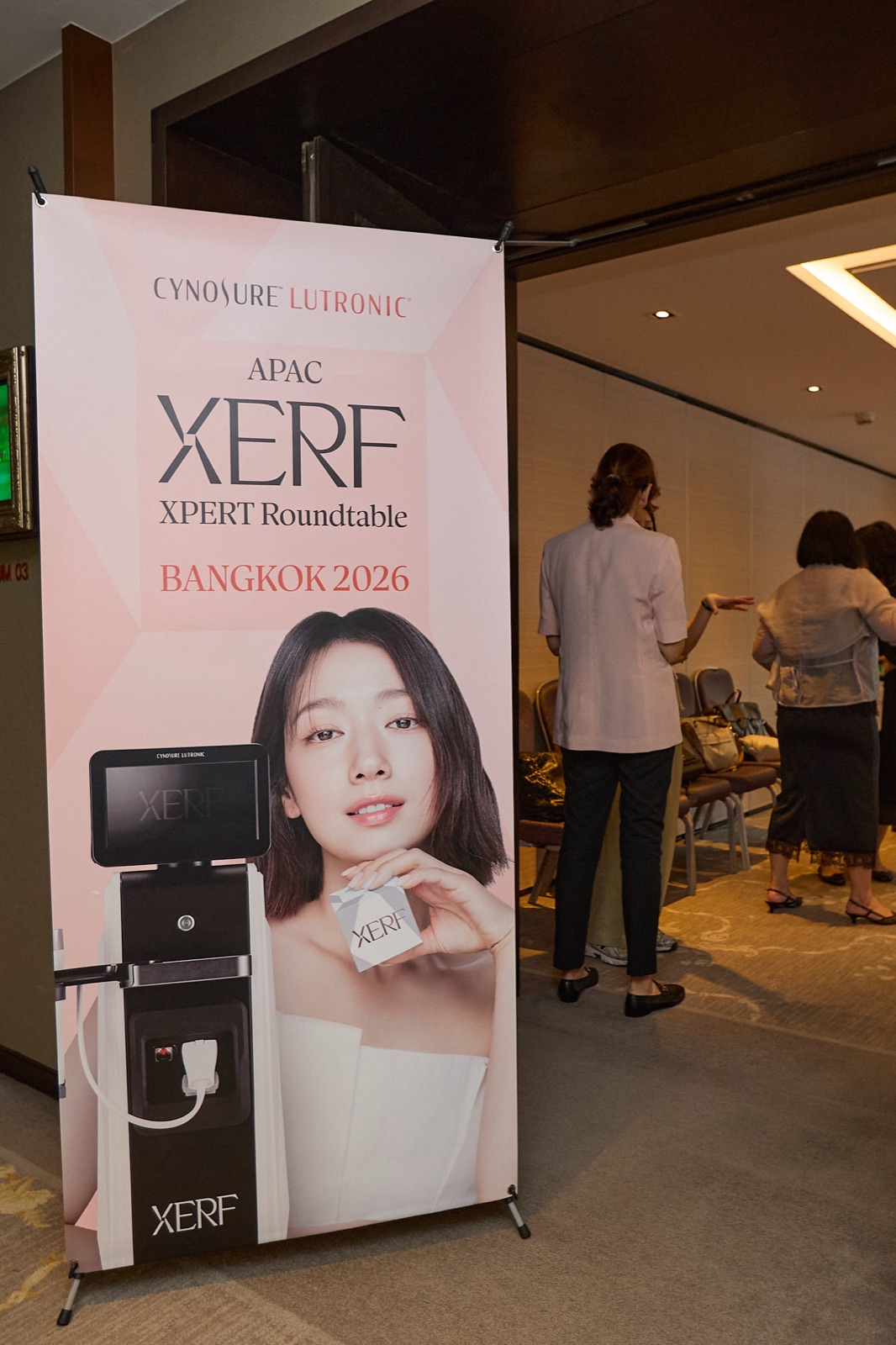
2026年6月19日、タイ・バンコクにて、モノポーラーRF機器「XERF(ザーフ)」をテーマとした専門家会議「APAC XERF XPERT Roundtable」(Cynosure Lutronic主催)が開かれ、アジア太平洋地域の医師の一人として参加してまいりました。
ラウンドテーブル(円卓会議)とは、講演のように一方向に話すのではなく、各国の専門家が同じテーブルにつき、それぞれの経験と意見を出し合う形式の会議です。今回の議題は、この新しい機器をどう使いこなし、どう最適化していくか。本稿では、その議論の背景にある「モノポーラーRF機器の選び方」というテーマについてお話しします。
1. 増え続けるモノポーラーRF機器
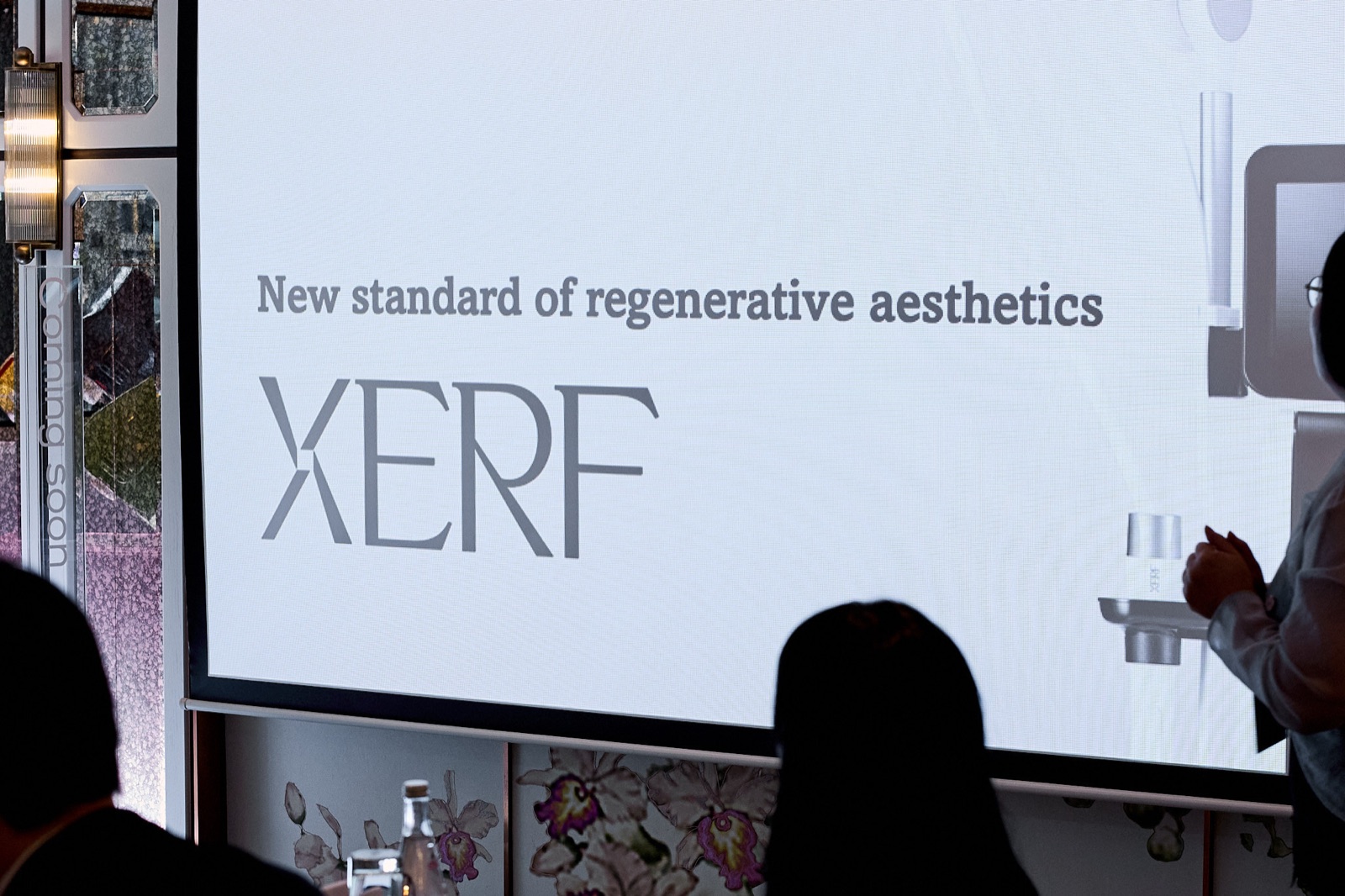
デンシティ(Density)、ボルニューマ(Volnewmer)、オリジオ(OligioX)、そしてザーフ(XERF)。枚挙にいとまがないほど、現在の美容医療ではモノポーラーRF機器が増えました。
RFとは高周波のこと。肌の外側からエネルギーを与え、組織を内側から温める仕組みです。20年以上の歴史を持つサーマクール(Thermage)を筆頭に、「しっかりとした熱を皮膚の深いところに入れることで、引き締め(タイトニング)をはかる」というコンセプトのもと、モノポーラーRFは現在の美容医療のトレンドを牽引している治療のひとつといえます。
2. なぜ「どれが一番合っているか」を選べないのか
どれが自分の顔・自分の症状に一番合っているのか。おそらく、高周波治療を受けようと考えている方が一番迷うのはここだと思います。
ある機種は「このデバイスが最も深くまで熱が入る」と謳い、またある機種は「このデバイスが最も肌が若返る」と謳っている。そこに経験談が加わります。「私はこれを使ったらすごく効果があった」「あれは効果がなかった」。こうした情報のなかから自分に最適なものを選ぶのは、非常に困難です。
「似ている人に効いたのに、私には効かなかった」が起きる理由
実際、「私と似ている感じの人が『効果があった』と言っていたからやってみたのに、変化を感じられなかった」という方は少なくありません。
その原因の一端は、「どの状況で、どの症状に、どの効果が必要だったのか」がまったく診断されないまま、治療が行われていることにあると考えられます。同じ「たるみ」という言葉でも、起きている場所も、原因となっている構造も、必要な熱の量も、人によってまったく違うからです。
3. 機器を「最適化する」とはどういうことか
私たちのような「治療をするだけでなく、機器の開発に関わる医師」は、この状況を憂慮しています。機器を正しく使うためには、その前提として、次のような基本的な条件を整理しておく必要があります。
- どんな症状に、どの程度のエネルギーを使うべきか
- ハンドピース(照射する器具)は固定すべきか、動かすべきか
- 熱を入れる層(深さ)はどう調整するか──冷却を強めるのか、そもそものRFエネルギーを弱めるのか
- どの構造に対して、どの周波数を使うべきか
こうした条件が分かったうえで、はじめて「何を選択すべきか」を考えることができます。これを多くの医療従事者に知ってもらう必要があります。
これは、「ほうれい線が気になるということですので、このあたりにしっかり熱を入れますね」という感覚的・曖昧なものではありません。顔の構造(解剖学)、熱を生む原理(物理学)、熱に対する組織の反応(生物学)──すべての側面から機器を評価し、最適化していく。臨床と基礎医学の融合が必要なのです。
4. ラウンドテーブルで議論されたこと
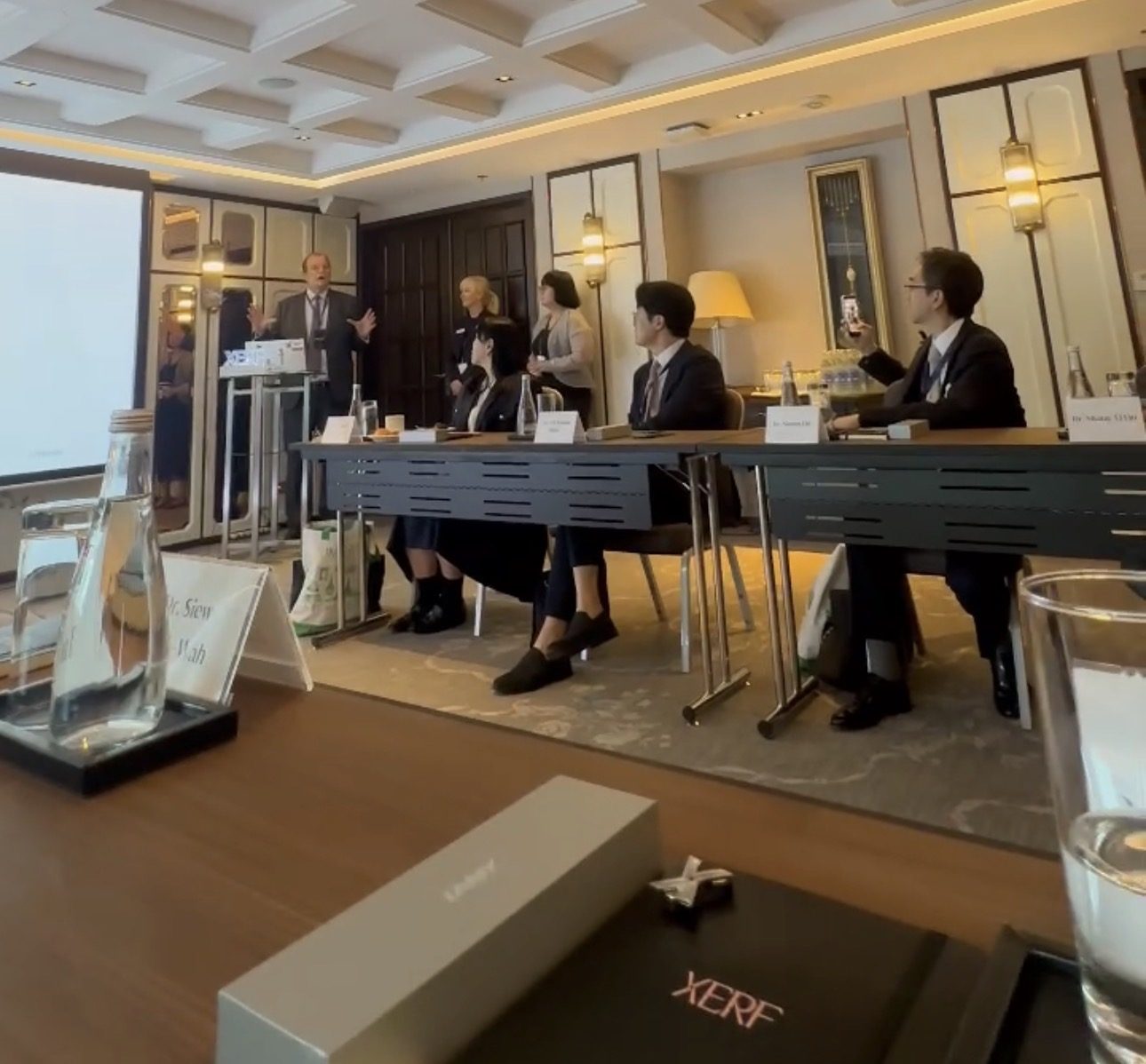
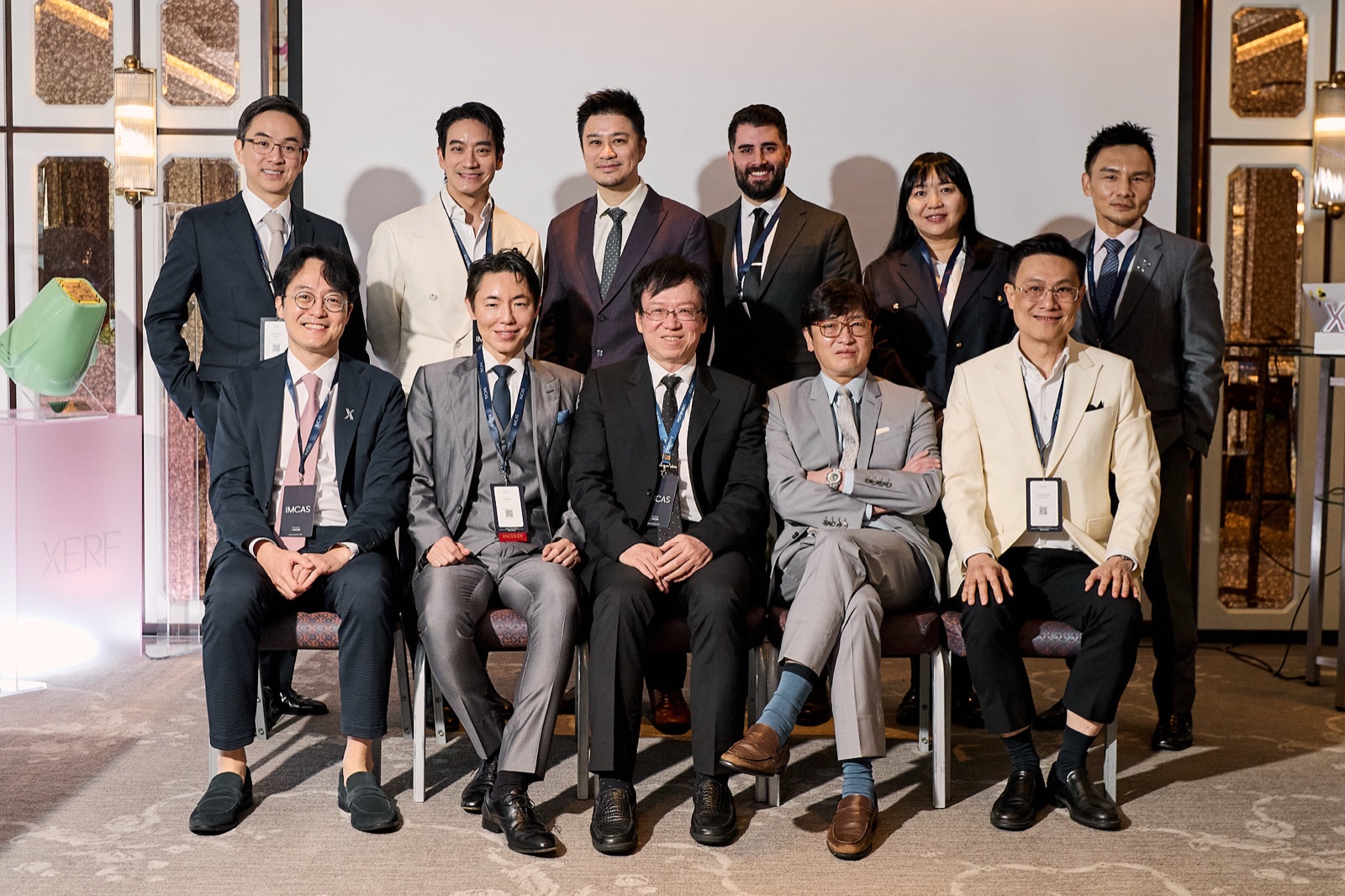
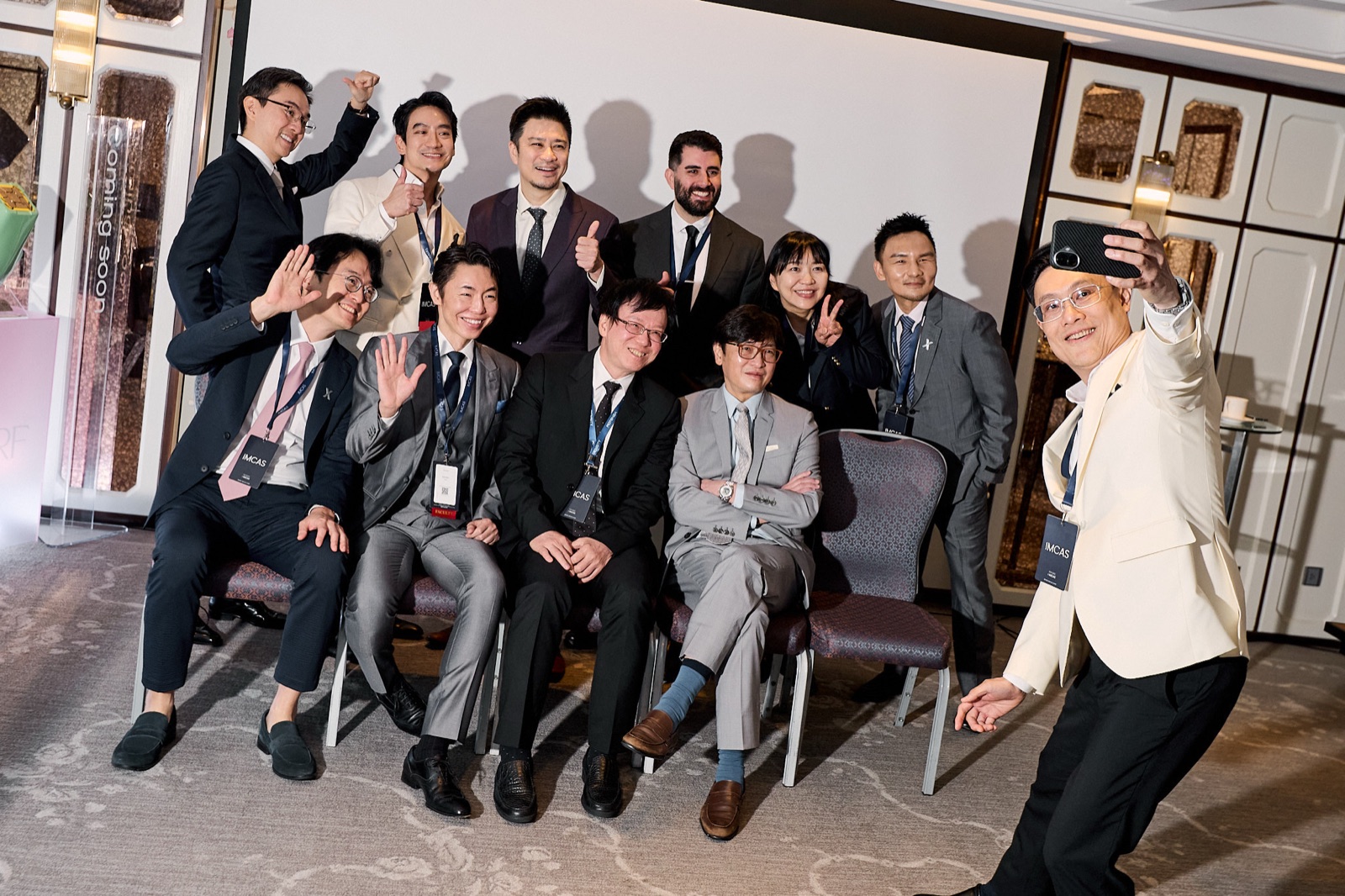
今回のラウンドテーブルでは、アジア太平洋地域のエキスパートが集結し、個々の経験と意見を交わしながら、いかにこの機器(XERF)を最適化していくかが議論されました。
私たち美容医療に関わる医師には、自分たちの技術・知識だけでなく、世界中の知見をまとめ上げ、安全で効果的な治療をつくり上げていく責任があると考えています。
最後に、高周波治療をご検討中の方に一つだけお伝えするとすれば、「どの機器が一番か」という問いを、「自分の顔には、どこに、どれだけの熱が必要か」という問いに置き換えてみてください。カウンセリングの際は、なぜその機器なのか、どの深さをどんな設定で狙うのかを、遠慮なく尋ねてみてください。
機器の名前ではなく、診断が結果を決めます。
関連する記事
よくある質問
モノポーラーRFは、どんな悩みに向いている治療ですか?
フェイスラインのゆるみ、頬のたるみ、肌のハリの低下などに用いられることが多い治療です。ただし、たるみの原因となっている構造は人によって異なり、適する治療も変わりますので、まずは診察のうえでご提案しています。
機器がたくさんありますが、どれを選べばよいですか?
機器の名前から選ぶ必要はありません。大切なのは、ご自身の症状に「どの深さへ、どれだけの熱が必要か」という診断です。同じ機器でも、設定や使い方によって結果は変わります。診察の際に、その方の状態に合わせた考え方をご説明しています。
痛みやダウンタイムはありますか?
照射中に熱感や痛みを感じることがあります。治療後は一時的な赤みやむくみが生じることがあり、程度や続く期間には個人差があります。診察時に目安をお伝えします。
1回で効果はありますか?何回くらい必要ですか?
効果の感じ方や持続には個人差があります。症状や目標によって適切な回数・間隔は異なりますので、診察のうえで個別にご相談しています。
治療をご検討の方へ
- 効果の程度や持続期間には個人差があります。すべての方に同じ結果が得られることを保証するものではありません。
- 高周波(RF)治療では、治療後に一時的な赤み・腫れ・熱感・むくみが生じることがあります。まれに水疱・やけど・一時的な神経の違和感などが生じる可能性があります。
- 妊娠中・授乳中の方、ペースメーカーなどの体内埋め込み機器を使用されている方、治療部位に金属や糸が入っている方など、治療を受けられない場合があります。診察時に必ずご申告ください。
- 本記事で紹介した治療は自由診療(健康保険が適用されない治療)です。費用はカウンセリング時にご案内しています。
- 本記事は医療者向けの専門家会議の参加報告です。特定の機器の効果を保証したり、機器間の優劣を示したりするものではありません。記事中の機器名は各社の商標または登録商標です。
- 記事中の写真は、主催者の許可のもと撮影された会議の様子です。
たるみやフェイスラインのお悩みは、横浜あざみ野のヒルズグレイスクリニックまでご相談ください。
お一人おひとりの顔の構造を診たうえで、どこに、どれだけの熱を入れる治療が適しているのかをご説明します。
カウンセリングのご相談はこちら →
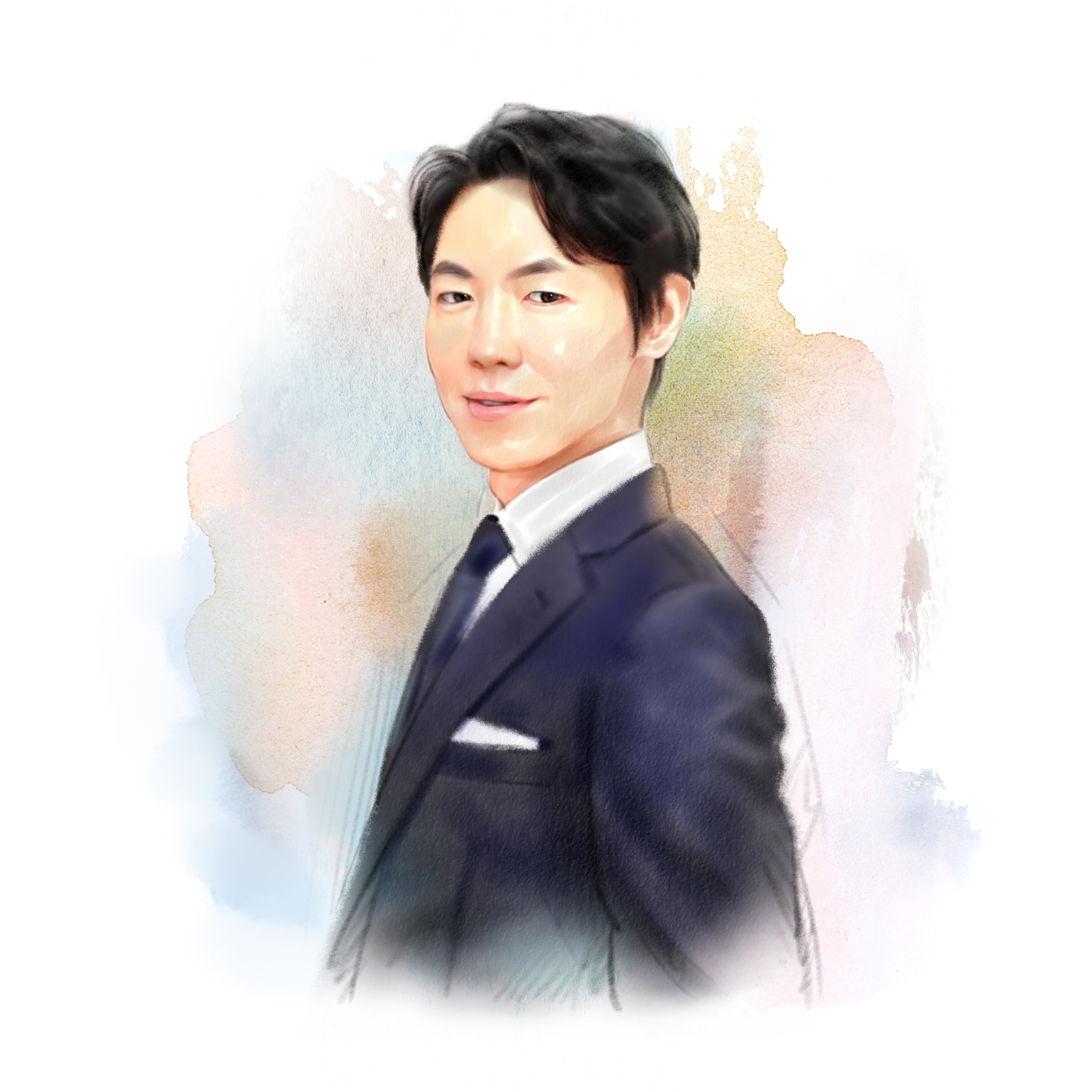
シミ・肝斑・毛穴など、肌に現れた悩みに向き合うとき、私が大切にしているのは、症状だけでなく、その症状が生じた肌の状態まで見極めることです。
レーザー・高周波・超音波などの機器は、同じ設定で照射しても、結果は一人ひとり異なります。その差を生むのは、肌が熱を受け止め、治療に応えられる状態にあるかどうか。だからこそ、必要に応じて肌が応えられる状態を整えながら、適切な治療を、適切な順序でご提案します。
この考えを治療設計の起点に据え、「Thermal Thread Technique®」として体系化し、2024年に『Lasers in Surgery and Medicine』誌へ発表しました。同論文は同誌のTop Viewed・Top Cited Articleに選出されています。高周波照射法「Mono-Bi CrossLIFT Technique」および、注入治療と医療機器を組み合わせる「CrossTALK® protocol」も『Journal of Cosmetic Dermatology』誌に発表しています。
米国レーザー医学会(ASLMS)専門医、医療法人社団光悠会理事長。Cynosure社のアドバイザリーボードには日本から唯一参加し、PicoSure Proの開発段階から携わり、第1号機による症例報告も行ってきました。世界最大のレーザー医学会ASLMSやIMCAS ASIA、KOREA DERMAなどの国際学会で招待講演を行い、国際的な医師教育プログラム「GMI」を主宰。海外の医師の指導・育成にも取り組んでいます。
これまでの治療で思うような手応えを得られなかった方にも、なぜその肌にその症状が起きているのかを見極め、必要な治療の順序からご提案します。肌を診て、治療を設計し、経過に合わせて組み立てを更新する。そこまでを含めて、肌治療だと考えています。詳しいプロフィール →
CLINIC INFORMATION
ヒルズグレイスクリニック
アクセスの詳細を見る →
肌を整える時間を、診察の外にも。

GRACE JOURNAL | Grace Journal
Report on attending Cynosure Lutronic’s “APAC XERF XPERT Roundtable Bangkok 2026”
Key points
On 19 June 2026, I attended the “APAC XERF XPERT Roundtable” (organised by Cynosure Lutronic) in Bangkok, Thailand.
The theme was how to optimise XERF, a monopolar RF device (a treatment that delivers heat deep into the skin using radiofrequency, aiming to tighten it). Now that devices such as Density, Volnewmer and OligioX keep multiplying, what matters is not “which device is the best” but the diagnosis: “which symptom needs how much heat, delivered to which depth”. Here I share the discussions I had with specialists from the Asia-Pacific region.
Introduction
On 19 June 2026, the “APAC XERF XPERT Roundtable” (organised by Cynosure Lutronic), an expert meeting on the monopolar RF device XERF, was held in Bangkok, Thailand, and I took part as one of the physicians from the Asia-Pacific region.
A roundtable is a meeting in which, rather than one person speaking in one direction as in a lecture, specialists from different countries sit at the same table and share their own experience and opinions. The agenda this time was how to master this new device and how to optimise it. In this article, I discuss the theme behind that discussion: “how to choose a monopolar RF device”.
1. The ever-growing number of monopolar RF devices
Density, Volnewmer, OligioX and XERF. Monopolar RF devices have multiplied in aesthetic medicine today to the point where they are too numerous to list.
RF stands for radiofrequency. Energy is applied from outside the skin, and the tissue is warmed from within. Led by Thermage, which has a history of more than 20 years, and built on the concept of “tightening the skin by delivering substantial heat deep into it”, monopolar RF can be said to be one of the treatments driving current trends in aesthetic medicine.
2. Why it is hard to choose “which one is the best fit”
Which one is the best fit for my face and my symptoms? This is probably the point that people considering radiofrequency treatment find most confusing.
One device claims, “This device delivers heat the deepest”, while another claims, “This device rejuvenates the skin the most”. On top of that come personal accounts: “This worked really well for me”, “That one didn’t work”. Choosing what is best for you from such information is extremely difficult.
Why “it worked for someone like me, but not for me” happens
In fact, quite a few people say, “Someone who seemed similar to me said it worked, so I tried it, but I didn’t notice any change.”
Part of the reason is thought to be that treatment is carried out without any diagnosis of “in what situation, for which symptom, which effect was needed”. Even under the same word, “sagging”, the location, the underlying structure causing it and the amount of heat needed differ entirely from person to person.
3. What does it mean to “optimise” a device?
Physicians like us, who are “involved not only in treating patients but also in developing devices”, are concerned about this situation. To use a device correctly, the following basic conditions first need to be worked out.
- For which symptoms, and at what level, energy should be used
- Whether the handpiece (the instrument that delivers the treatment) should be held still or moved
- How to adjust the layer (depth) the heat reaches: by increasing cooling, or by lowering the RF energy itself
- Which frequency should be used for which structure
Only once these conditions are understood can we consider “what should be chosen”. Many healthcare professionals need to know this.
This is not something intuitive or vague, such as “You’re concerned about your nasolabial folds, so I’ll put plenty of heat around here.” The device is evaluated and optimised from every angle: the structure of the face (anatomy), the principles that generate heat (physics) and the tissue’s response to heat (biology). A fusion of clinical practice and basic medical science is needed.
4. What was discussed at the roundtable
At this roundtable, experts from the Asia-Pacific region gathered and, sharing their individual experience and opinions, discussed how to optimise this device (XERF).
I believe that we physicians working in aesthetic medicine have a responsibility not only for our own skills and knowledge, but also to bring together knowledge from around the world and build safe and effective treatments.
Finally, if there is one thing I would like to tell those considering radiofrequency treatment, it is this: try replacing the question “Which device is the best?” with the question “Where, and how much heat, does my face need?”. At your consultation, please feel free to ask why that device was chosen, and which depth is being targeted with what settings.
It is the diagnosis, not the name of the device, that determines the result.
Related articles
- Lecture | Why Hills Grace Clinic chooses Potenza: a report on speaking at IMCAS ASIA 2026
- Two awards from Cynosure Lutronic | Our work in physician education and the clinical evaluation of XERF
- Why do results differ even with the same treatment? Skin Priming: the idea of building the foundation of the skin
Frequently asked questions
What concerns is monopolar RF suited to?
It is a treatment often used for a loose jawline, sagging cheeks, loss of skin firmness and similar concerns. However, the structure causing the sagging differs from person to person, and so does the suitable treatment, so we make our recommendations after an examination.
There are so many devices. Which one should I choose?
There is no need to choose by device name. What matters is the diagnosis of “to which depth, and how much heat” your symptoms need. Even with the same device, results vary depending on the settings and how it is used. At the consultation, we explain our approach based on your condition.
Is there pain or downtime?
You may feel heat or pain during the treatment. After treatment, temporary redness or puffiness may occur, and the degree and duration vary between individuals. We will give you an indication at the consultation.
Will one session be effective? How many sessions are needed?
How the effects are felt and how long they last vary between individuals. The appropriate number of sessions and interval differ depending on symptoms and goals, so we discuss this individually after an examination.
For those considering treatment
- The degree and duration of effects vary between individuals. The same result is not guaranteed for everyone.
- Radiofrequency (RF) treatment may cause temporary redness, swelling, a sensation of heat or puffiness after treatment. In rare cases, blisters, burns or temporary abnormal nerve sensations may occur.
- Treatment may not be possible for some people, including those who are pregnant or breastfeeding, those with implanted devices such as pacemakers, and those with metal or threads in the treatment area. Please be sure to tell us at the consultation.
- The treatments introduced in this article are private, self-funded care (treatment not covered by health insurance). Fees are explained at the consultation.
- This article is a report on attending an expert meeting for healthcare professionals. It does not guarantee the effects of any particular device or indicate the superiority of one device over another. Device names in this article are trademarks or registered trademarks of their respective companies.
- The photographs in this article show the meeting and were taken with the organiser’s permission.
For concerns about sagging or the jawline, please consult Hills Grace Clinic in Azamino, Yokohama.
After examining the structure of each person’s face, we explain which treatment is suitable, including where and how much heat should be delivered.
Book a consultation →
When addressing concerns that appear on the skin, such as pigmentation, melasma and pores, what I value is assessing not only the symptoms but also the condition of the skin in which those symptoms arose.
With devices such as lasers, radiofrequency and ultrasound, results differ from person to person even when the same settings are used. What creates that difference is whether the skin is in a state where it can receive heat and respond to treatment. That is why, where necessary, I prepare the skin so that it can respond, and recommend the appropriate treatments in the appropriate order.
Placing this idea at the starting point of treatment planning, I systematised it as the “Thermal Thread Technique®” and published it in “Lasers in Surgery and Medicine” in 2024. The paper was selected as a Top Viewed and Top Cited Article of the journal. I have also published the radiofrequency technique “Mono-Bi CrossLIFT Technique” and the “CrossTALK® protocol”, which combines injectable treatments with medical devices, in the “Journal of Cosmetic Dermatology”.
ASLMS (American Society for Laser Medicine and Surgery) specialist and Chair of the Board, Koyukai Medical Corporation. As the only member from Japan on Cynosure’s advisory board, I was involved in PicoSure Pro from its development stage and have also reported cases using the first unit. I have given invited lectures at international congresses such as ASLMS, the world’s largest society for laser medicine, IMCAS ASIA and KOREA DERMA, and I lead the international physician education programme “GMI”. I am also engaged in teaching and training physicians overseas.
Even for those who have not felt the results they hoped for from previous treatments, I assess why those symptoms are occurring in that skin, and recommend treatments starting from the order in which they are needed. Examining the skin, designing the treatment and updating the plan as it progresses: I consider all of this to be skin treatment. Full profile →
CLINIC INFORMATION
Hills Grace Clinic
Access details →
Caring for your skin beyond the consultation room
HOME CARE
Online shop
Doctor-selected skincare and supplements, delivered to your home. For some products, a free online consultation is available before purchase.
CONSULTATION
Consult us at the clinic
Every person's skin is different. We look into what lies behind pigmentation and melasma, and suggest the care and the order of treatment your skin needs now.