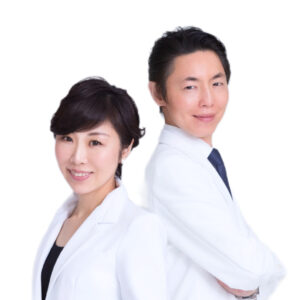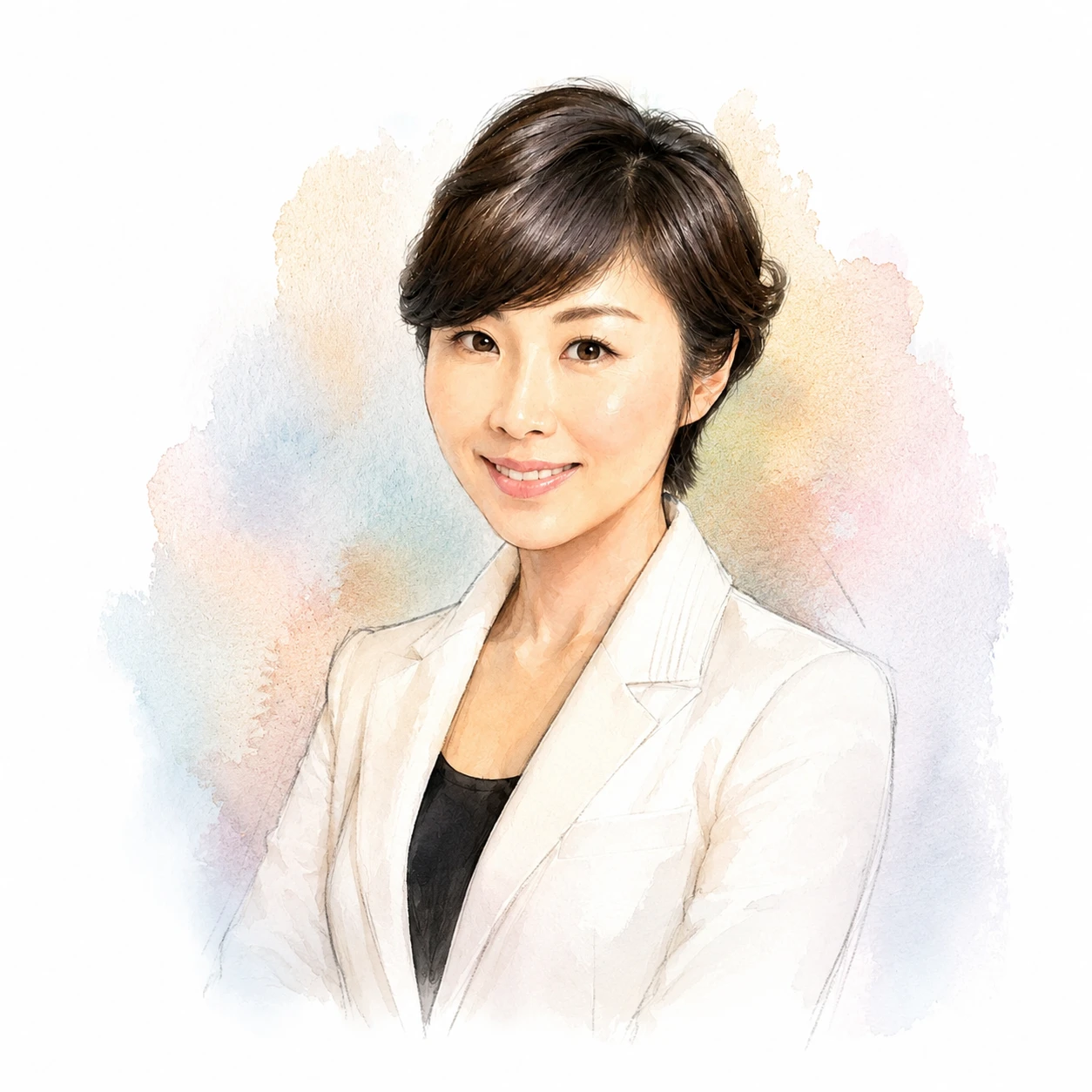
連載「美容医療は人を幸せにするのか」 第1回
この記事の要点
美容医療のアンケートなら「きれいになった」が並ぶ。そう思われるかもしれません。院内でお預かりした700件を超える自由記述を匿名化して読み返すと、いちばん多く残されていたのは、別の言葉でした。安心、信頼、任せられる。それにあたる言葉を含む回答が231件。「うれしい」「前向き」など気持ちを表す言葉が182件。鏡、写真、外出、人の目といった暮らしの場面に触れた回答も57件ありました。
成蹊大学の社会学者・小林盾教授との共同研究では、来院された時点で幸福度が低い状態にある方が少なくないことも見えてきています。これだけで治療効果や因果関係を示すことはできません。それでも、患者さんが美容医療に何を求め、何に安心しているのかを考える手がかりになります。
件数は単純な語句検索による延べ数で、一つの回答に複数の語が含まれます。割合として読むことはできず、治療効果や幸福度の改善、その因果関係を示すものでもありません。
はじめに|余白に書かれていた、数行
アンケート用紙の、いちばん下の余白。
設問はすべて終わっているのに、そこから細い字で、数行が続いていることがあります。

「鏡を見ることが、つらい朝がありました。」
この一文は、内容の近い複数の回答に共通していた表現を、個人が特定されないよう一文にまとめたものです。
肌質の悩みについて書かれたはずの文章が、朝の気分へ、人に会うときの気持ちへ、仕事への向き合い方へと広がっていく。読み進めるうちに、見た目の悩みは鏡の前だけで終わるものではないのだと、あらためて感じました。
私は形成外科医として、しわやたるみ、肌質のご相談を受けています。そして以前から、「美容医療は患者さんを幸せにするのか」という問いを持ち、大学との共同研究を続けてきました。
まだ答えの出ていない問いです。だからこの連載では、結論を急がずに、一つずつ考えていきます。第1回は、院内でお預かりした700件を超える声から始めます。
1. 700件を超える手書きを、読み返しました
今回扱ったのは、院内アンケート原本700件を超える自由記述です。個人が特定される情報を除いたうえで、どのような言葉が繰り返し現れるかを整理しました。

美容医療のアンケートと聞くと、「きれいになった」「若く見える」といった言葉が並ぶ様子を想像されるかもしれません。
実際に何度も現れたのは、少し違う種類の言葉でした。
安心。信頼。任せられる。リラックス。
231件です。700件を超える回答のうち、それだけの数に、この種類の言葉が書かれていました。治療の仕上がりではなく、医療者との関係や、診察室で過ごした時間について書かれた言葉です。

「うれしい」「明るい」「前向きになれた」といった気持ちの言葉は182件。そして「鏡」「写真」「外出」「人の目」。暮らしのどの場面で気持ちが動いたかまで書き添えた回答が57件ありました。朝の洗面所。誰かに会う前。写真に写るとき。書かれていたのは、その方が顔を意識した時刻と場所です。
書き手は顔の話をしているようで、毎日の過ごし方の話をしている。私には、そう読めました。
安心して相談できたこと。自分の気持ちが少し動いたこと。診察室では言いきれなかったことが、余白のほうに残されていました。
2. なぜ、社会学者と一緒に研究を始めたのか
診察を重ねるなかで、鏡の前で静かに涙を流される方に出会うことがあります。
私が行っているのは、お顔の治療です。それだけのはずなのに、その方の話は、いつのまにかこれからの過ごし方のほうへ動いていく。
顔の変化は、その方の何に触れているのか。医師の実感だけで語ってよい話ではないと思いました。
そこで、成蹊大学の社会学者・小林盾教授と共同で、患者さんがどのように変化していくのかを、アンケートとインタビューから読み解く研究を続けています。
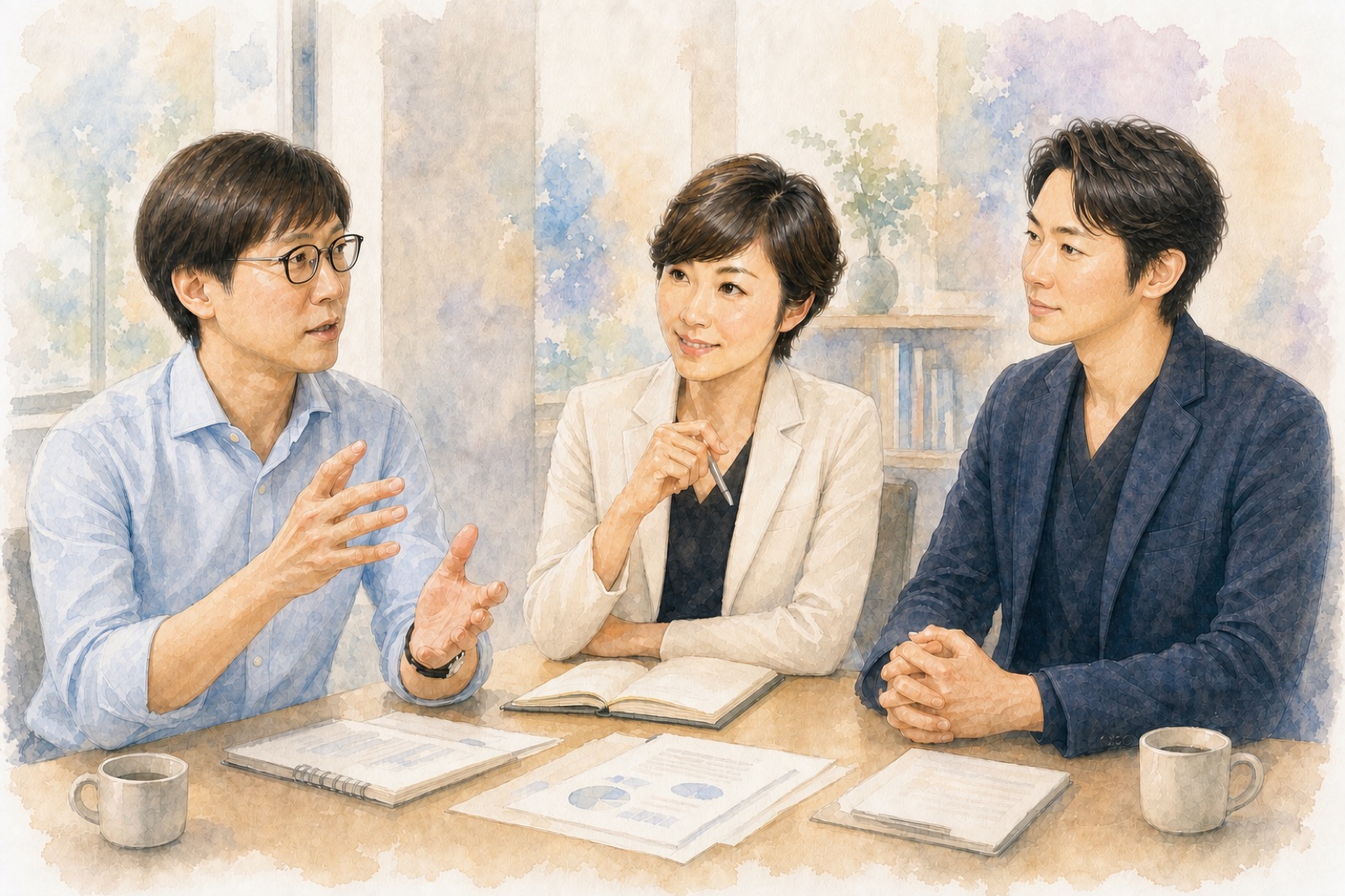
そして調査を通して見えてきたのは、治療のあとのことだけではありませんでした。
来院時点で、幸福度が低い状態にある方が、少なくなかった。
仕事。介護。ご自身の病気。家庭の状況。人間関係。立場としての重圧。理由はさまざまです。自分のことを後回しにし続けた末に、ようやくクリニックへ足を運ばれる方が、確かにいらっしゃいます。
美容医療は、きれいになりたい人が受けるもの。そう思われることが多いと思います。けれど回答を読んでいると、その手前にある事情のほうが、ずっと大きく見えてきます。
3. ただし、これは効果を示す数字ではありません
ここで、はっきりお伝えしておきたいことがあります。
アンケートの整理は、治療成績でも、満足度の集計でもありません。一つの回答に複数の語句が含まれるため、割合として読むこともできません。共同研究も、現在進行中の検証です。
成蹊大学との共同研究は継続中で、本記事の記述は途中経過の考察です。治療効果、幸福度の改善、両者の因果関係を示すものではありません。治療の効果や経過には個人差があります。
この整理から「美容医療を受ければ前向きになれる」と言うことはできない。それが前提です。
幸福感を支えているのは、体調であり、眠れているかであり、家族との関係であり、仕事のことです。美容医療が触れられるのは、そのうちの一つ、鏡の前の数分だけです。
それでも私が700件を超える声を読み返したのは、効果を証明するためではありません。患者さんが何に不安を感じ、何に安心されたのかを知るためでした。
4. 診察室で私が探しているのは、「戻りたい場所」です
「どこが気になりますか」
そう伺っても、最初からはっきり答えられる方ばかりではありません。

「以前の自分と、何かが違う気がする」
「疲れていないのに、疲れて見える」
「年齢だから仕方がないと思っている」
こうした言葉の奥には、鏡を見るのがつらい、人に会うと少し気後れする、写真に写るのを避けてしまう、といった日常があります。
年齢を重ねる時期は、顔の変化だけでなく、仕事や家族、体調、睡眠など、いくつもの要素が重なります。だから私は、すぐに治療の話から始めません。
いつから違和感が強くなったのか。その違和感が、毎日にどう影響しているのか。まずは、そこを伺います。
皮膚や脂肪、筋肉、骨格の状態を医学的に診ることは欠かせません。同じくらい大切にしているのが、「その方は、どこへ戻りたいのか」を知ることです。
若い頃の顔をそのまま再現したいのではなく、疲れて見えなかった頃の印象に戻りたい。人と話すときに、顔を気にしすぎなかった自分に戻りたい。鏡を見ても、必要以上に落ち込まなかった自分に戻りたい。
戻りたい場所が言葉にならないまま治療を重ねても、納得にはつながりにくいものです。だから診察では、治療を増やす前に、今の違和感を一緒に言葉にして、優先順位を整理します。ときには、急がない方がよいとお伝えすることもあります。
5. 美容医療は、どこまで幸せに関われるのか
美容医療は、人生そのものを引き受けるものではありません。

ただ、自分らしく過ごすための選択肢の一つにはなり得ます。私は、そのくらいの距離感で美容医療を捉えています。
見た目の悩みを言葉にすることをきっかけに、自分の気持ちが整理されていく。自分との向き合い方が、少しだけ変わる。私は診察室で、その場面に何度も立ち会ってきました。
顔のことだけを話しに来られたはずなのに、話はいつも毎日のほうへ広がっていく。だからこそ、この問いを手放せずにいます。
6. この連載で、確かめていきたいこと
アンケートに言葉を残してくださった患者さんに、心から感謝しています。

数字だけでは分からないことがあります。診察室では話しきれなかったことが、余白に書かれていることがあります。そこには、私たちが気づけていなかった不安と、守るべき安心感が記されていました。
美容医療は人を幸せにするのか。
次回からは、診察室で実際に交わされた問いと、共同研究から見えてきたことを一つずつ取り上げながら、この連載を続けていこうと思います。
よくある質問
この700件を超えるアンケートは、どのような内容をまとめたものですか?
院内アンケートに寄せられた700件を超える自由記述を匿名化し、どのような言葉が繰り返し現れるかを整理したものです。治療効果や満足度を数値で証明する目的の調査ではありません。
大学との共同研究とは、どのような取り組みですか?
成蹊大学の社会学者・小林盾教授と共同で、患者さんが美容医療を通してどのように変化していくのかを、アンケートとインタビューから読み解く研究です。現在も継続中で、本記事の記述は途中経過の考察にあたります。
この記事は「美容医療を受けると幸せになる」と示しているのですか?
いいえ。幸福感には体調や生活環境、人間関係など多くの要素が関わります。本記事は、患者さんが何に悩み、何に安心しているのかを読み解くための考察です。治療の効果や経過には個人差があります。
連載「美容医療は人を幸せにするのか」では、何を扱いますか?
診察室で実際に交わされた問いと、共同研究から見えてきたことを手がかりに、美容医療と心の関わりを回ごとに考えていきます。特定の治療をおすすめするための連載ではありません。
診察では、どのようなことを大切にしていますか?
私は、治療名を先に決めるのではなく、違和感がいつから始まり、毎日の気持ちにどう影響しているのかを伺うことを大切にしています。そのうえで、必要な治療と、急がなくてよいことを一緒に整理します。
※本記事は、院内アンケート原本700件を超える回答を匿名化して整理したものです。個人が特定される情報は掲載していません。
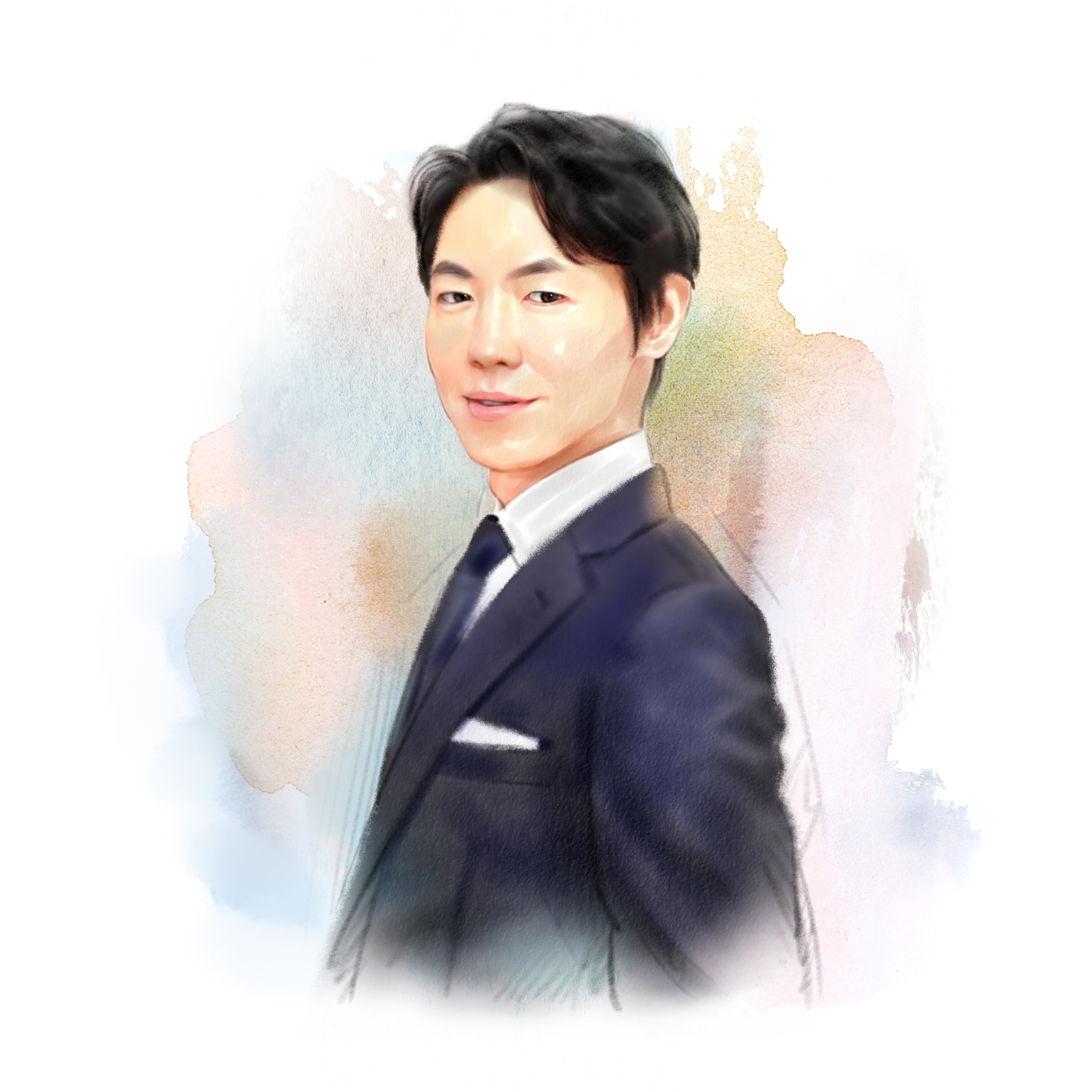
年齢とともに起こる変化を、顔面解剖を基盤に、皮膚・脂肪・筋肉・骨格に起こる加齢変化として読み解き、顔全体のバランスから、その方に必要な治療を設計しています。目指すのは、見た目の変化をきっかけに気持ちが前を向き、日々の行動まで軽やかになるような、自然で調和のとれた変化です。診療では、顔の悩みだけを切り取らず、更年期前後に起こる女性ホルモンの変化や、肌・心・体の揺らぎにも目を向けます。40代以降は、肌をつくり支える細胞の働きが変化し、これまでと同じ治療でも十分な反応が得られないことがあります。だからこそ、まず肌が治療に応えられる状態を整える。この考え方を「CrossTALK® protocol」として体系化し、筆頭著者として2025年にJournal of Cosmetic Dermatologyに発表しました。2016年より、ボトックスビスタやジュビダームを展開するアラガン・エステティックス ジャパンファカルティーの一員として、また注入指導医として、医師への教育・指導にも携わっています。「美容医療は患者を幸せにするのか」という問いについては、大学との共同研究を通じて探究を続けています。必要な治療を、必要な順番で、必要な分だけ。年齢とともに変化する顔と人生に寄り添い、長く信頼して相談できる「美容のかかりつけ医」でありたいと考えています。詳しいプロフィール →
RESEARCH NOTE
研究記事としての位置づけ
本記事は、「美容医療は人を幸せにするのか」という研究連載の一部です。医療広告ガイドラインに配慮し、患者様の個人的な感想を治療効果や安全性の根拠として一般化せず、研究における一つの語りとして紹介しています。治療を検討する際に必要な情報は、本文中の「今回の治療について」にまとめています。
研究目的
美容医療を受けた患者様が、外見の捉え方や気持ちをどのように語るのかを記述し、施術後の経験と主観的な幸福感の関係を考察することを目的としています。一人の患者様の経験だけから、一般的な治療効果や幸福度の変化を結論づけるものではありません。
調査方法
施術直後の患者様へのインタビューと、施術前後の症例比較素材をもとに、発言の意味を損なわない範囲で読みやすく整えました。掲載しているのは、インタビューでご本人が実際に話した内容と、確認できた素材だけです。ご本人の自己評価は、医学的な測定値でも、比較対照を置いた調査結果でもありません。
倫理・個人情報への配慮
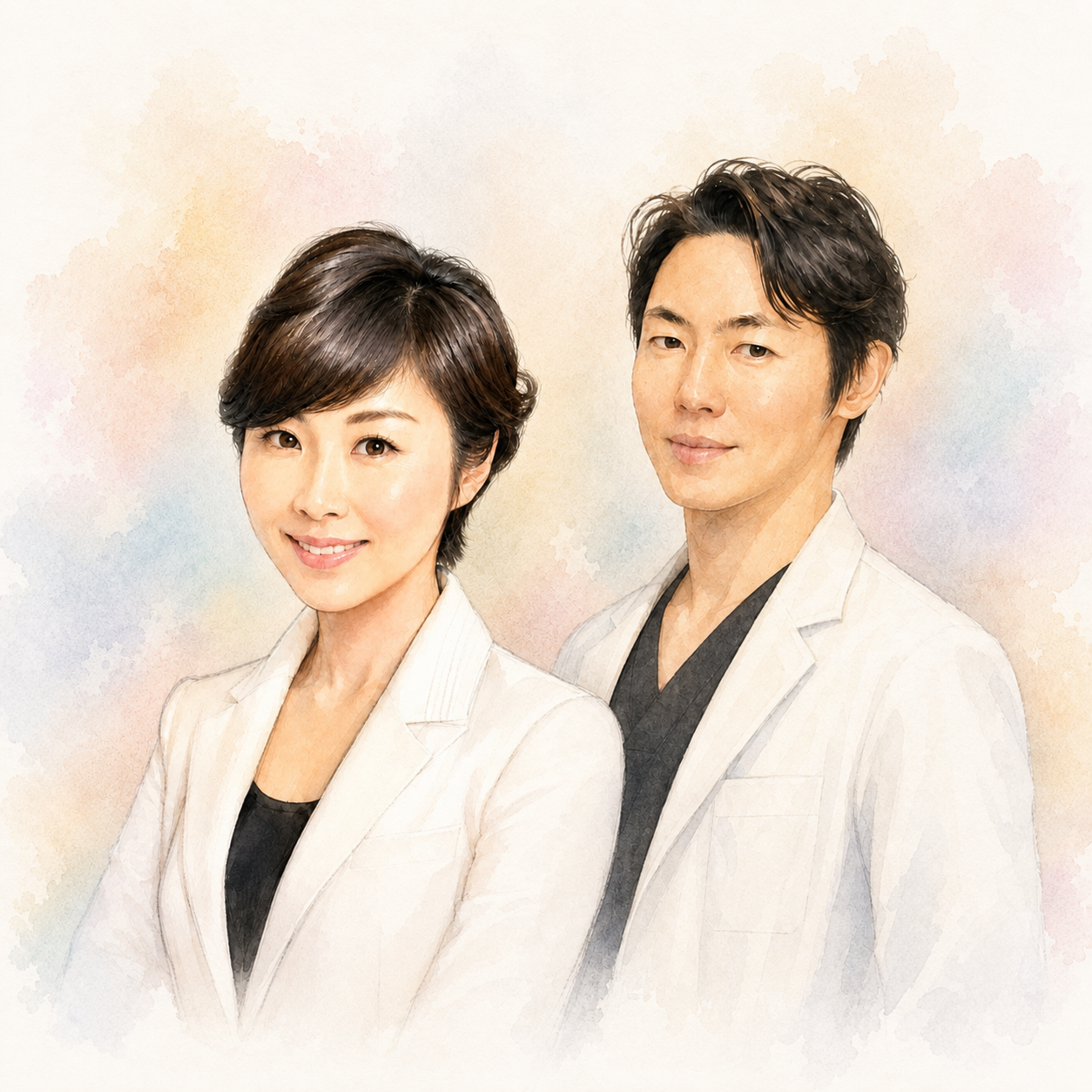
掲載は、患者様ご本人の同意を得た範囲に限っています。実名、施術日、撮影日など個人が特定される情報は掲載せず、症例写真は画像内で目元を匿名化しています。本文中のイラストは、ご本人のお写真をそのまま再現せず、顔立ちなど一部を変更しています。
CLINIC INFORMATION
ヒルズグレイスクリニック
アクセスの詳細を見る →
肌を整える時間を、診察の外にも。

Series “Does aesthetic medicine make people happy?” Part 1
Key points
You might assume that a survey on aesthetic medicine would be full of “I’ve become prettier.” When we anonymised and reread more than 700 free-text responses entrusted to us at the clinic, the words left most often were different ones. Peace of mind, trust, being able to leave things in our hands: 231 responses contained words of this kind. Words expressing feelings, such as “happy” and “positive”, appeared in 182. A further 57 responses touched on scenes from daily life such as the mirror, photographs, going out and how others see them.
Our joint research with Professor Jun Kobayashi, a sociologist at Seikei University, is also showing that a fair number of people are in a state of low happiness at the time they come to the clinic. This alone cannot demonstrate treatment effects or causal relationships. Even so, it offers clues to what patients seek from aesthetic medicine and what gives them peace of mind.
The counts are cumulative totals from simple keyword searches, and a single response may contain several of the words. They cannot be read as percentages, and they do not show treatment effects, improvement in happiness, or any causal relationship between them.
Introduction | A few lines written in the margin
The blank space at the very bottom of a questionnaire.
Even after every question has been answered, a few lines in fine handwriting sometimes continue there.
“There were mornings when looking in the mirror was hard.”
This sentence combines expressions shared by several responses with similar content into a single sentence, so that no individual can be identified.
Writing that was supposedly about concerns over skin quality widened out to the mood of the morning, to feelings when meeting people, to how they approach their work. As I read on, I was reminded once again that concerns about appearance do not end in front of the mirror.
As a plastic surgeon, I see patients about wrinkles, sagging and skin quality. For some time, I have also carried the question “Does aesthetic medicine make patients happy?” and have continued joint research with a university.
It is a question that has not yet been answered. So in this series, rather than rushing to a conclusion, I will consider it one step at a time. Part 1 begins with more than 700 voices entrusted to us at the clinic.
1. Rereading more than 700 handwritten responses
This time, I looked at more than 700 free-text responses from the original in-clinic questionnaires. After removing information that could identify individuals, I organised which words appeared repeatedly.
When you hear “a survey on aesthetic medicine”, you may picture a row of phrases such as “I’ve become prettier” or “I look younger”.
What actually appeared again and again were words of a slightly different kind.
Peace of mind. Trust. Being able to leave things in our hands. Relaxation.
231. Of more than 700 responses, that many contained words of this kind. They were words not about the results of treatment, but about the relationship with the medical staff and the time spent in the consultation room.
Words of feeling such as “happy”, “brighter” and “I was able to feel more positive” numbered 182. Then “mirror”, “photographs”, “going out”, “how others see me”: 57 responses went as far as noting in which scenes of daily life their feelings shifted. The washbasin in the morning. Before meeting someone. When being photographed. What they wrote down were the times and places in which they became conscious of their face.
The writers seem to be talking about their faces, but they are talking about how they spend each day. That is how I read it.
That they could consult us with peace of mind. That their own feelings shifted a little. Things they could not fully say in the consultation room had been left in the margins.
2. Why I began research with a sociologist
Over the course of many consultations, I sometimes meet people who shed quiet tears in front of the mirror.
What I do is treat faces. That should be all, and yet before I know it, the person’s story moves towards how they will live from now on.
What in a person does a change in the face touch? I felt it was not something to talk about on the strength of a doctor’s impressions alone.
So, together with Professor Jun Kobayashi, a sociologist at Seikei University, I am continuing research that uses questionnaires and interviews to understand how patients change.
And what the survey revealed was not only about what happens after treatment.
A fair number of people were in a state of low happiness at the time they came to the clinic.
Work. Caring for family. Their own illness. Circumstances at home. Relationships. The pressure of their position. The reasons vary. There certainly are people who, after putting themselves last for a long time, finally make their way to the clinic.
Aesthetic medicine is for people who want to become more beautiful. I think that is how it is often seen. But as I read the responses, the circumstances that come before that loom far larger.
3. However, these are not figures that show effectiveness
Here, there is something I want to state clearly.
This organisation of the questionnaire responses is neither a record of treatment outcomes nor a tally of satisfaction. Because a single response contains several terms, the figures cannot be read as percentages either. The joint research, too, is an investigation still in progress.
The joint research with Seikei University is ongoing, and what is written in this article is an interim reflection. It does not show treatment effects, improvement in happiness, or a causal relationship between the two. Treatment effects and progress vary between individuals.
From this analysis, one cannot say that “having aesthetic treatment will make you more positive.” That is the premise.
What supports a sense of happiness is physical health, whether one is sleeping, relationships with family, and matters of work. What aesthetic medicine can touch is only one of these: the few minutes in front of the mirror.
Even so, I reread more than 700 voices not to prove effectiveness, but to learn what made patients anxious and what gave them peace of mind.
4. What I look for in the consultation room is “the place they want to return to”
“What concerns you?”
Even when I ask this, not everyone can answer clearly from the start.
“I feel something is different from how I used to be”
“I look tired even when I’m not”
“I think it can’t be helped because of my age”
Behind words like these lies a daily life in which looking in the mirror is hard, meeting people makes one feel a little self-conscious, or one ends up avoiding being in photographs.
As we age, many factors overlap: not only changes in the face, but also work, family, health and sleep. That is why I do not start straight away with talk of treatment.
When did the sense that something was off become stronger? How is that feeling affecting each day? That is what I ask first.
Examining the condition of the skin, fat, muscle and bone structure medically is indispensable. Just as important to me is knowing “where that person wants to return to”.
Not wanting to recreate one’s younger face exactly, but wanting to return to the impression of a time when one did not look tired. Wanting to return to a self who did not worry too much about one’s face when talking with people. Wanting to return to a self who did not feel unnecessarily low when looking in the mirror.
Repeating treatments while the place one wants to return to remains unspoken rarely leads to a sense of being satisfied with the outcome. So in consultations, before adding treatments, we put the present sense of unease into words together and sort out priorities. Sometimes I tell patients that it is better not to rush.
5. How far can aesthetic medicine be involved in happiness?
Aesthetic medicine does not take on life itself.
It can, however, be one of the options for living as oneself. That is the distance at which I view aesthetic medicine.
Putting a concern about appearance into words becomes the starting point for sorting out one’s feelings. The way one relates to oneself changes, just a little. I have witnessed that moment many times in the consultation room.
People come supposedly to talk only about their face, and yet the conversation always widens out to their daily life. That is precisely why I cannot let go of this question.
6. What I hope to examine in this series
I am sincerely grateful to the patients who left their words in the questionnaires.
There are things that numbers alone cannot tell us. Sometimes what could not be fully said in the consultation room is written in the margin. Recorded there were anxieties we had not noticed, and a sense of peace of mind that we must protect.
Does aesthetic medicine make people happy?
From the next instalment, I intend to continue this series by taking up, one by one, questions actually exchanged in the consultation room and what the joint research has revealed.
Frequently asked questions
What do these more than 700 questionnaire responses cover?
More than 700 free-text responses submitted to the in-clinic questionnaire were anonymised and organised to see which words appear repeatedly. It was not a survey intended to prove treatment effects or satisfaction in numbers.
What is the joint research with a university?
It is research conducted jointly with Professor Jun Kobayashi, a sociologist at Seikei University, that uses questionnaires and interviews to understand how patients change through aesthetic medicine. It is still ongoing, and what is written in this article is an interim reflection.
Does this article show that “having aesthetic treatment makes you happy”?
No. Many factors are involved in a sense of happiness, including physical health, living environment and relationships. This article is a reflection aimed at understanding what patients worry about and what gives them peace of mind. Treatment effects and progress vary between individuals.
What does the series “Does aesthetic medicine make people happy?” cover?
Taking as clues the questions actually exchanged in the consultation room and what the joint research has revealed, each instalment considers the relationship between aesthetic medicine and the mind. The series is not intended to recommend any particular treatment.
What do you value in consultations?
Rather than deciding on a treatment name first, I value asking when the sense of unease began and how it is affecting the patient’s feelings day to day. On that basis, we sort out together which treatments are needed and what need not be rushed.
*This article anonymises and organises more than 700 responses from the original in-clinic questionnaires. No information that could identify individuals is published.
Grounded in facial anatomy, she interprets the changes that come with age as age-related changes in the skin, fat, muscle and bone structure, and designs the treatment each person needs based on the balance of the face as a whole. Her aim is natural, harmonious change: a change in appearance that helps a person’s feelings turn forward and even makes daily activities feel lighter. In her practice, she does not isolate facial concerns but also pays attention to the changes in female hormones that occur around the menopausal years and to fluctuations in skin, mind and body. From the 40s onward, the workings of the cells that build and support the skin change, and the same treatments as before may not produce a sufficient response. That is precisely why the first step is to prepare the skin so that it can respond to treatment. She systematised this approach as the “CrossTALK® protocol” and published it as first author in the Journal of Cosmetic Dermatology in 2025. Since 2016, she has been involved in educating and training physicians as a member of the Japan faculty of Allergan Aesthetics, which offers Botox Vista and Juvéderm, and as an injection instructor. She continues to explore the question “Does aesthetic medicine make patients happy?” through joint research with a university. The treatment that is needed, in the order it is needed, only as much as is needed. Accompanying faces and lives that change with age, she hopes to be a “family doctor for beauty” whom patients can trust and consult over the long term.Full profile →
RESEARCH NOTE
About this research article
This article is part of the research series “Does aesthetic medicine make people happy?”. In line with Japan's medical advertising guidelines, we do not generalise a patient's personal impressions as evidence of treatment effect or safety; we present them as one account within the research. The information you need when considering treatment is summarised under “About this treatment” in the article.
Purpose of the research
The aim is to describe how patients who have received aesthetic treatment talk about how they see their appearance and how they feel, and to consider the relationship between their experience after treatment and their subjective sense of happiness. No conclusion about general treatment effects or changes in happiness is drawn from a single patient's experience.
Method
Based on an interview with the patient immediately after treatment and on before-and-after case material, the text has been edited for readability without changing the meaning of what was said. We publish only what the patient actually said in the interview and material we could verify. The patient's self-assessment is neither a medical measurement nor the result of a controlled study.
Ethics and privacy
Publication is limited to what the patient consented to. Information that could identify the patient, such as their real name, treatment date or the date photographs were taken, is not published, and the eye area in case photographs is anonymised. Illustrations in the article do not reproduce the patient's photographs as they are; facial features and other details have been changed.
CLINIC INFORMATION
Hills Grace Clinic
Access details →
Caring for your skin beyond the consultation room
HOME CARE
Online shop
Doctor-selected skincare and supplements, delivered to your home. For some products, a free online consultation is available before purchase.
CONSULTATION
Consult us at the clinic
Every person's skin is different. We look into what lies behind pigmentation and melasma, and suggest the care and the order of treatment your skin needs now.