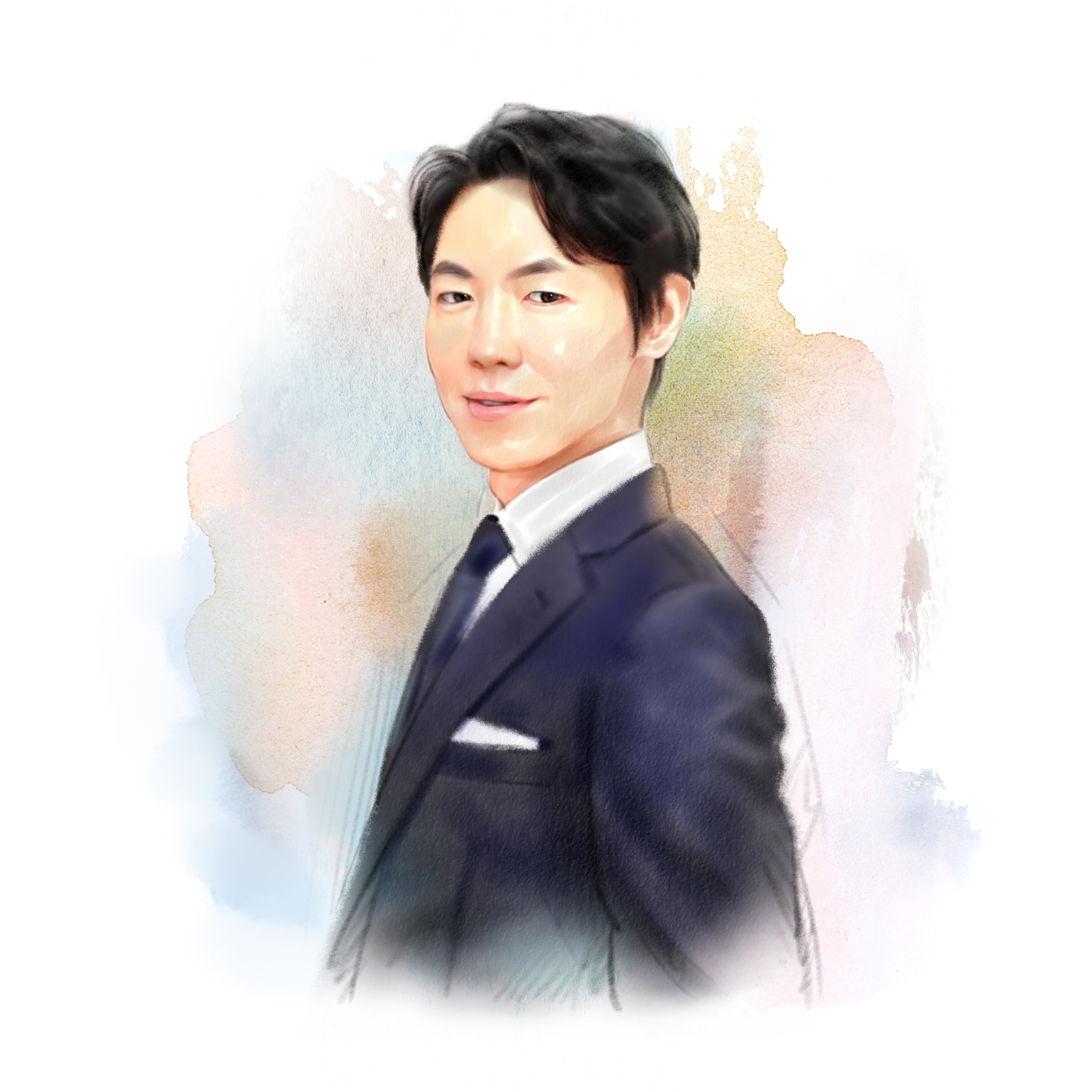
院長 奥 謙太郎|2019年4月21日の講演記録(2026年10月20日に加筆・再構成)
この記事の要点
2019年、日本美容外科学会(JSAS2019)から依頼を受け、「色素性疾患・刺青にレーザー・光治療機器はどこまで有効か」というセッションでピコレーザーを担当して講演しました。Qスイッチルビーレーザー、IPL(光治療)、QスイッチレーザーでのLLLT(低出力レーザー治療)と並べて、それぞれの利点と課題を議論しました。私がお話ししたのは、ピコシュアの照射の組み立て方と、アジア人の肝斑に対するコンビネーション治療の考え方です。ピコレーザーでは、どの深さのシミにどのようなエネルギーで照射するか、どの照射方法を組み合わせるかが結果にかかわる、とお話ししました。

はじめに
シミには、どの機器が向いているのか。この問いに学会の場で正面から向き合ったのが、2019年の日本美容外科学会(JSAS2019)でのセッションでした。異なる機器を専門とする医師が同じ壇上に並び、それぞれの得意なことと、まだ改善が必要なことを率直に議論しました。この記事では、そのとき私が何を話し、どんな問題意識を持っていたのかを振り返ります。
1. 依頼を受けたセッション「色素性疾患・刺青にレーザー・光治療機器はどこまで有効か」
このセッションは、日本美容外科学会からの依頼でお引き受けしたものです。色素性疾患(シミなど、色素が原因で起こる肌の変化)と刺青に対して、レーザーや光治療機器がどこまで役に立つのかを、機器ごとに検証するという企画でした。
座長は、みやた形成外科・皮ふクリニックの宮田先生です。登壇者はそれぞれ異なる機器を担当し、利点だけでなく「どこを改善する必要があるか」まで含めて議論を交わしました。
- Qスイッチルビーレーザー:藤田保健衛生大学病院 准教授 秋田先生
- IPL(光治療、いわゆるフォト):あらおクリニック 荒尾先生
- QスイッチレーザーでのLLLT(低出力レーザー治療):KO CLINIC 黄先生
- ピコレーザー:私(当時のあざみ野ヒルズスキンクリニック、現 ヒルズグレイスクリニック)

2. ピコレーザーの登場で、シミ治療はどう変わったか
シミには様々な種類があり、その治療方法は機器の進歩とともに大きく様変わりしてきました。ピコレーザーが発表される前、講演当時から数えて5年ほど前までは、IPLや、カサブタをつくって治していくQスイッチレーザーを用いることが多かったのです。
ピコレーザーの登場で、シミ治療の選択肢が広がりました。ピコシュア(PicoSure)はその一つです。ピコシュアは755nmという波長を採用しており、シミの原因であるメラニン(肌の色をつくる色素)を、周りの血管や細胞を傷つけにくく壊すことを狙った設計でした。
この年の3月に参加したアメリカレーザー医学会(ASLMS)でも、ピコシュアの有効性に関する報告が数多くありました。

3. 結果を分けるのは「使い方」― 深さ・エネルギー・組み合わせ
ピコレーザーの難しいところは、その使い方にあります。「どの深さのシミに、どのようなエネルギーで照射するか」「どんな種類の照射方法を組み合わせるか」が、治療結果に直接かかわってきます。
正直なところ、施術者の技術力で結果に差が出やすいことも、ピコレーザーの特徴の一つだと私は考えていました。
そこでこの講演では、ピコレーザーの効果的な照射法と、私が推奨していた治療プログラムについてお話ししました。
4. 肝斑は「アジア人特有の疾患」として向き合う
肝斑は、両頬に左右対称の淡い褐色斑として現れるシミの一つです。物理的な刺激にとても弱く、肌の個性も一人ひとり違うため、治療も個々に合わせたテーラーメイドにする必要があります。内服などのインナーケアと同時に、肌そのものの治療を行うことが大切です。
当時、それまでの治療で思うような変化がなかったという肝斑のご相談を、当院では数多くいただいていました。
セッションでは、座長の宮田先生も「アジア人の肝斑」は特有の疾患であり、欧米人にみられる肝斑とはまったく異なると話されていました。3月のASLMSでもアジア人の肝斑について独立したセッションが設けられ、アジア諸国だけの肝斑学会も組織されていました。
様々な治療が行われていましたが、肝斑の治療法は当時はまだ確立されておらず、さらに研究を重ねる必要がありました。そのような状況のなかで、日本がリーダーシップをとって肝斑治療を体系化していく必要があると考え、私は臨床研究を続けていました。
5. 当時の肝斑治療プログラムと、横浜あざみ野での診療へのつながり
当院では数年にわたり、数機種のレーザーや導入機器、インナーケアで試行錯誤を繰り返してきました。当時行っていたのが、ピコシュアとデルマシオ(電気の力で薬剤を肌に届けるエレクトロポレーションという導入法)を組み合わせ、ホームケアの外用・内服を合わせるコンビネーション治療です。
講演で紹介したプログラムは、月に1回のピコシュア+デルマシオを4回行い、その後は月に2回のデルマシオと、内服・外用のホームケアで再発を抑えることを目指す組み立てでした。効果の出方や経過には個人差があり、肌の状態によって組み立ては変わります。
当時の私は、シミの種類と深さの見立てが結果を左右すると考えていました。肝斑については、肌の個性に合わせて治療とホームケアを組み合わせることを重視していました。一人ひとりの肌に合わせて治療を組み立てるという考え方は、横浜あざみ野での診療でも大切にしています。
よくある質問
ピコレーザーとQスイッチレーザーは何が違うのですか?
Qスイッチレーザーは、シミの部分をカサブタにする使い方が多く用いられていました。当時私が使用していたピコシュアは755nmの波長を採用していました。どちらが適しているかはシミの種類や深さで変わります。効果や経過には個人差があるため、診察で肌の状態を確認したうえで選択します。
肝斑にもレーザー治療はできますか?
肝斑は物理的な刺激にとても弱いため、強い刺激を与える治療は避ける必要があります。2019年の講演では、ピコシュアとデルマシオ(薬剤の導入)を組み合わせ、内服・外用のホームケアと合わせるコンビネーション治療をご紹介しました。肝斑は一人ひとり肌の個性が違うため、治療はテーラーメイドで考えます。効果の出方には個人差があり、まずは診察でほかのシミとの見極めを行います。
同じレーザーでも、シミ治療の結果に差が出るのはなぜですか?
ピコレーザーでは、どの深さのシミにどのようなエネルギーで照射するか、どの照射方法を組み合わせるかが、結果に直接かかわってきます。そのため、施術者の見立てと技術によって差が出やすい治療だと私は考えています。シミの種類が違えば適した照射の設計も変わります。肌の反応には個人差があるため、経過を見ながら調整することも大切です。
おわりに
2019年のJSAS2019では、ピコレーザーの照射法と、肝斑に対するコンビネーション治療の考え方をお話ししました。日本から肝斑治療を発信できるよう研究を続けたいという思いを胸に、その後も臨床と研究を続けてきました。
シミ・たるみ・肌質のお悩みは、横浜あざみ野のヒルズグレイスクリニックまでご相談ください。診察のうえで、一人ひとりに合った治療の組み立てをご提案します。カウンセリングのご予約はこちら →
シミ・肝斑・毛穴など、肌に現れた悩みに向き合うとき、私が大切にしているのは、症状だけでなく、その症状が生じた肌の状態まで見極めることです。
レーザー・高周波・超音波などの機器は、同じ設定で照射しても、結果は一人ひとり異なります。その差を生むのは、肌が熱を受け止め、治療に応えられる状態にあるかどうか。だからこそ、必要に応じて肌が応えられる状態を整えながら、適切な治療を、適切な順序でご提案します。
この考えを治療設計の起点に据え、「Thermal Thread Technique®」として体系化し、2024年に『Lasers in Surgery and Medicine』誌へ発表しました。同論文は同誌のTop Viewed・Top Cited Articleに選出されています。高周波照射法「Mono-Bi CrossLIFT Technique」および、注入治療と医療機器を組み合わせる「CrossTALK® protocol」も『Journal of Cosmetic Dermatology』誌に発表しています。
米国レーザー医学会(ASLMS)専門医、医療法人社団光悠会理事長。Cynosure社のアドバイザリーボードには日本から唯一参加し、PicoSure Proの開発段階から携わり、第1号機による症例報告も行ってきました。世界最大のレーザー医学会ASLMSやIMCAS ASIA、KOREA DERMAなどの国際学会で招待講演を行い、国際的な医師教育プログラム「GMI」を主宰。海外の医師の指導・育成にも取り組んでいます。
これまでの治療で思うような手応えを得られなかった方にも、なぜその肌にその症状が起きているのかを見極め、必要な治療の順序からご提案します。肌を診て、治療を設計し、経過に合わせて組み立てを更新する。そこまでを含めて、肌治療だと考えています。詳しいプロフィール →
CLINIC INFORMATION
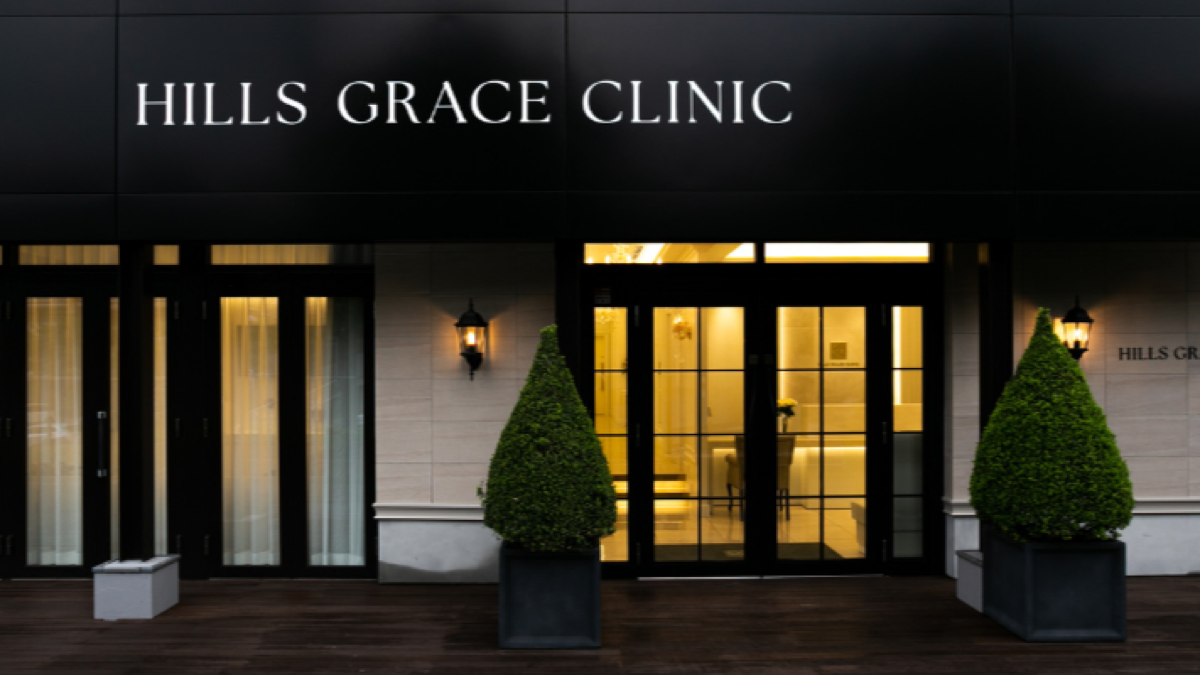
ヒルズグレイスクリニック
アクセスの詳細を見る →
肌を整える時間を、診察の外にも。

Director Kentaro Oku | Record of a lecture given on 21 April 2019 (expanded and restructured on 20 October 2026)
Key points
In 2019, at the request of the Japan Society of Aesthetic Plastic Surgery (JSAS2019), I gave a lecture on picosecond lasers in the session “How effective are laser and light-based devices for pigmentary disorders and tattoos?” Alongside the Q-switched ruby laser, IPL (intense pulsed light) and LLLT (low-level laser therapy) using a Q-switched laser, we discussed the advantages and challenges of each. What I spoke about was how to plan PicoSure laser treatment and the approach to combination treatment for melasma in Asian patients. I explained that with picosecond lasers, which depth of pigmentation is treated with what energy, and which treatment methods are combined, have a bearing on the results.
Introduction
Which device is suited to pigmentation? A session at the 2019 meeting of the Japan Society of Aesthetic Plastic Surgery (JSAS2019) addressed this question head-on in a society setting. Doctors specialising in different devices stood side by side on the same stage and discussed frankly what each device does well and what still needs improvement. In this article, I look back on what I spoke about at the time and the concerns I had in mind.
1. The session I was invited to: “How effective are laser and light-based devices for pigmentary disorders and tattoos?”
I accepted this session at the request of the Japan Society of Aesthetic Plastic Surgery. The aim of the session was to examine, device by device, how useful lasers and light-based devices are for pigmentary disorders (changes in the skin caused by pigment, such as dark spots) and tattoos.
The session was chaired by Dr. Miyata of Miyata Plastic Surgery and Skin Clinic. Each speaker covered a different device, and we discussed not only the advantages but also “what needs to be improved”.
- Q-switched ruby laser: Dr. Akita, Associate Professor, Fujita Health University Hospital
- IPL (intense pulsed light, commonly known as “photo” treatment): Dr. Arao, Arao Clinic
- LLLT (low-level laser therapy) using a Q-switched laser: Dr. Ko, KO CLINIC
- Picosecond laser: myself (then at Azamino Hills Skin Clinic, now Hills Grace Clinic)
2. How the arrival of picosecond lasers changed the treatment of pigmentation
There are many types of pigmentation, and the ways of treating them have changed greatly as devices have advanced. Before picosecond lasers were introduced, until about five years before the lecture, IPL and Q-switched lasers, which treat pigmentation by forming a scab, were commonly used.
The arrival of picosecond lasers broadened the options for treating pigmentation. PicoSure is one of them. PicoSure uses a wavelength of 755nm and was designed with the aim of breaking down melanin (the pigment that gives skin its colour), the cause of pigmentation, while being less likely to damage the surrounding blood vessels and cells.
At the meeting of the American Society for Laser Medicine and Surgery (ASLMS) that I attended in March that year, there were also many reports on the efficacy of PicoSure.
3. What determines the results is “how it is used”: depth, energy and combination
The difficulty with picosecond lasers lies in how they are used. “Which depth of pigmentation to treat with what energy” and “which types of treatment methods to combine” have a direct bearing on the treatment results.
To be honest, I also considered it one of the characteristics of picosecond lasers that results tend to differ depending on the practitioner’s technical skill.
In this lecture, therefore, I spoke about effective treatment methods with picosecond lasers and the treatment programme I was recommending.
4. Approaching melasma as “a condition specific to Asian patients”
Melasma is a type of pigmentation that appears as pale brown patches, symmetrically on both cheeks. It is very sensitive to physical stimulation, and because each person’s skin has its own characteristics, treatment also needs to be tailor-made for each individual. It is important to treat the skin itself at the same time as providing inner care such as oral medication.
At the time, our clinic was receiving many consultations about melasma from patients who had not seen the changes they had hoped for with previous treatments.
In the session, the chair, Dr. Miyata, also said that “melasma in Asian patients” is a distinct condition, completely different from the melasma seen in Western patients. At the ASLMS meeting in March, too, a separate session was devoted to melasma in Asian patients, and a melasma society made up solely of Asian countries had been organised.
Various treatments were being performed, but at the time no treatment for melasma had yet been established, and further research was needed. In that situation, I believed that Japan needed to take the lead in systematising melasma treatment, and I continued my clinical research.
5. The melasma treatment programme at the time, and how it connects to our practice in Azamino, Yokohama
Over several years, our clinic repeated a process of trial and error with several lasers, infusion devices and inner care. What we were doing at the time was a combination treatment that paired PicoSure with Dermation (an infusion method called electroporation, which uses electricity to deliver agents into the skin), together with topical and oral home care.
The programme I presented in the lecture consisted of four sessions of PicoSure + Dermation, once a month, followed by Dermation twice a month together with oral and topical home care, with the aim of suppressing recurrence. How the effects appear and how the course progresses vary between individuals, and the plan changes depending on the condition of the skin.
At the time, I believed that assessing the type and depth of pigmentation determined the results. For melasma, I placed importance on combining treatment and home care to suit the characteristics of each person’s skin. The idea of planning treatment to suit each individual’s skin is something we continue to value in our practice in Azamino, Yokohama.
Frequently asked questions
What is the difference between a picosecond laser and a Q-switched laser?
Q-switched lasers were often used in a way that turned the pigmented area into a scab. The PicoSure I was using at the time used a wavelength of 755nm. Which is more suitable depends on the type and depth of the pigmentation. Because effects and the course of treatment vary between individuals, the choice is made after checking the condition of the skin at an examination.
Can laser treatment be used for melasma too?
Melasma is very sensitive to physical stimulation, so treatments that apply strong stimulation need to be avoided. In the 2019 lecture, I presented a combination treatment that paired PicoSure with Dermation (infusion of agents), together with oral and topical home care. Because each person’s skin with melasma has its own characteristics, treatment is considered on a tailor-made basis. How the effects appear varies between individuals, and the first step is an examination to distinguish melasma from other types of pigmentation.
Why do pigmentation treatment results differ even with the same laser?
With picosecond lasers, which depth of pigmentation is treated with what energy, and which treatment methods are combined, have a direct bearing on the results. For this reason, I consider it a treatment in which results tend to differ depending on the practitioner’s assessment and technique. If the type of pigmentation differs, the appropriate treatment design also changes. Because skin reactions vary between individuals, it is also important to make adjustments while monitoring progress.
In closing
At JSAS2019 in 2019, I spoke about treatment methods with picosecond lasers and the approach to combination treatment for melasma. With the hope of continuing research so that Japan could share its work on melasma treatment with the world, I have continued my clinical work and research ever since.
For concerns about pigmentation, sagging or skin quality, please consult Hills Grace Clinic in Azamino, Yokohama. After an examination, we will propose a treatment plan suited to each individual. Book a consultation →
When addressing concerns that appear on the skin, such as pigmentation, melasma and pores, what I value is assessing not only the symptoms but also the condition of the skin in which those symptoms arose.
With devices such as lasers, radiofrequency and ultrasound, results differ from person to person even when the same settings are used. What creates that difference is whether the skin is in a state to receive heat and respond to treatment. That is why, where necessary, I prepare the skin so that it can respond, and propose appropriate treatments in an appropriate order.
Placing this idea at the starting point of treatment design, I systematised it as the “Thermal Thread Technique®” and published it in “Lasers in Surgery and Medicine” in 2024. The paper has been selected as a Top Viewed and Top Cited Article in the journal. I have also published the radiofrequency treatment method “Mono-Bi CrossLIFT Technique” and the “CrossTALK® protocol”, which combines injectable treatments with medical devices, in the “Journal of Cosmetic Dermatology”.
Specialist of the American Society for Laser Medicine and Surgery (ASLMS) and Chair of the Board of Koyukai Medical Corporation. As the only member from Japan on Cynosure’s advisory board, I have been involved with PicoSure Pro since its development stage and have reported cases using the first unit. I have given invited lectures at international congresses such as ASLMS, the world’s largest society for laser medicine, IMCAS ASIA and KOREA DERMA, and I lead the international physician education programme “GMI”. I am also engaged in teaching and training doctors from overseas.
Even for those who have not felt the response they hoped for with previous treatments, I assess why those symptoms are occurring in that skin and propose treatment starting from the order in which it is needed. Examining the skin, designing the treatment and updating the plan as it progresses: I consider all of this to be part of skin treatment. Full profile →
CLINIC INFORMATION
Hills Grace Clinic
Access details →
Caring for your skin beyond the consultation room
HOME CARE
Online shop
Doctor-selected skincare and supplements, delivered to your home. For some products, a free online consultation is available before purchase.
CONSULTATION
Consult us at the clinic
Every person's skin is different. We look into what lies behind pigmentation and melasma, and suggest the care and the order of treatment your skin needs now.